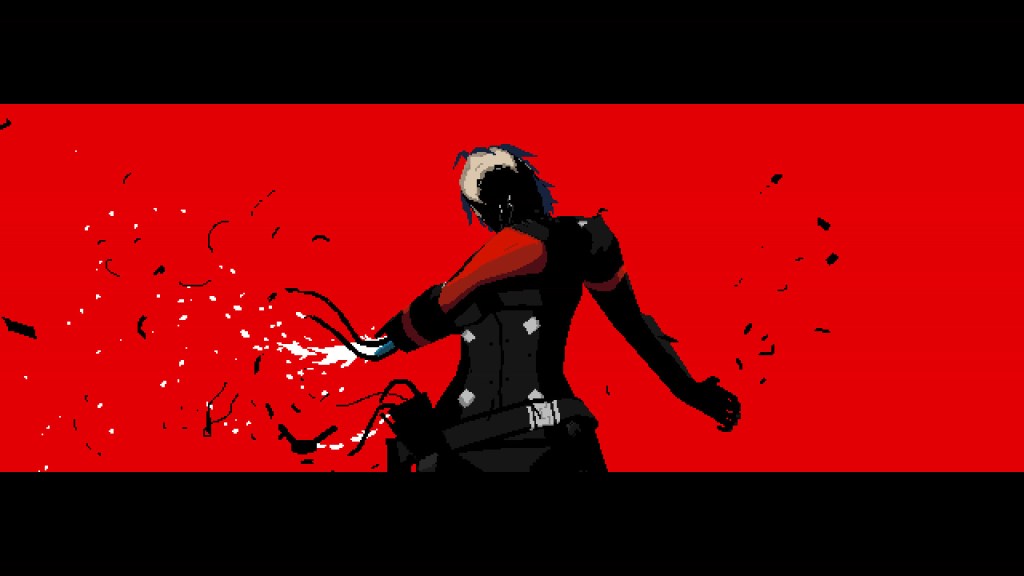
Signalis is a heavy and intense game with subject matter that may be difficult for some people. General sensitivity trigger warning here, and full spoilers ahead.
For some time, I have been very tangentially aware of Signalis, the 2022 psychological survival horror game by rose-engine [sic]. With that said, I was not aware it was a game at all, let alone a survival horror game, as the entirety of my awareness was based on fan art I’d seen by virtue of just being a person on the internet, and I’d assumed it was a web comic, or something similar. Being the horror junkie that I am, the instant I learned that this thing I vaguely recalled hearing about previously was actually a horror game, and more than a little bit of a love letter to classic Resident Evil and Silent Hill, I jumped straight in.
Creepy.
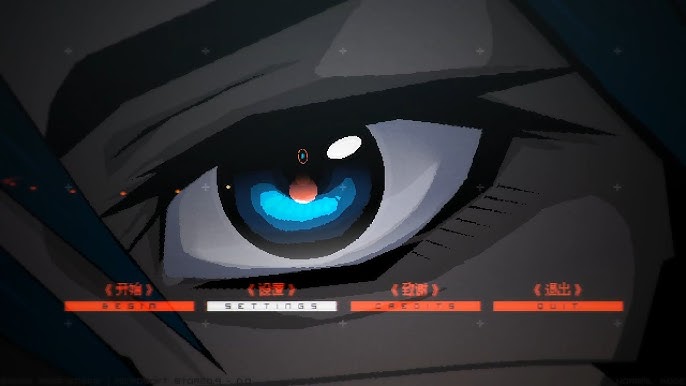
Signalis is absolutely dripping with character and style, as its retro-future aesthetic and grimy veneer over everything are apparent from the moment one opens the game. The start-up screen mimics an old CRT monitor turning on, with clicks and whirrs and the fuzzy low resolution of the settings submenus fading into focus as the first thing players see. Upon confirming settings, the main menu fades in next, with the bold background of a blue eye following the cursor around the screen.
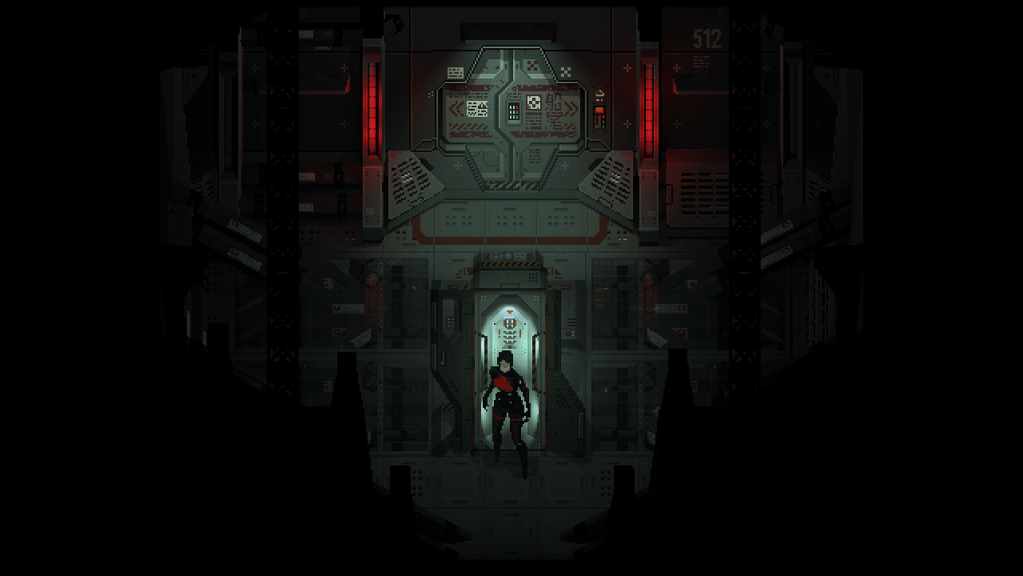
All of this wonderfully sets the tone for Signalis. I immediately felt the character of the game, the mood and the atmosphere palpable and heavy before I’d even started the game proper. This was further solidified after selecting “begin,” and being greeted with wake up being typed onto an otherwise blank screen. A brief “boot up” animation plays, centered on a 2D faux-pixel-style close-up of a woman’s face, complete with overlays of many digital windows and scrolling text, initiated evidently by the “wake up” command. From here, we shift to a semi-isometric view, looking upon a 3D-modeled environment that we see from the top of a literal fourth wall, as the woman from the boot up sequence emerges from what seems to be a cryo-pod.
Wake up.
From here, Signalis utilizes a narrative structure like many of my favorite games: environmental storytelling in conjunction with the epistolary method. Basically, drip-feeding narrative via logbooks and letters we find scattered across the various facilities we explore. While sometimes a contentious approach to narrative, Signalis uses its environments and data logs effectively and naturally. Rarely, if ever, did I feel as though I was reading blunt exposition crafted for my eyes specifically as the Video Game Player; entries feel natural and believable as things people would be making note of in the universe Signalis establishes.
The Setting
Some familiar-looking planets here.
The universe of Signalis is rich and dense with its own history and a conflict that is central to the motivations of most of the game’s cast. I will provide a broad but surface-level introduction to the universe of the game, to establish some context for things that occur within it. So far, everything here should still be fairly grounded and not as amorphous as the story itself.
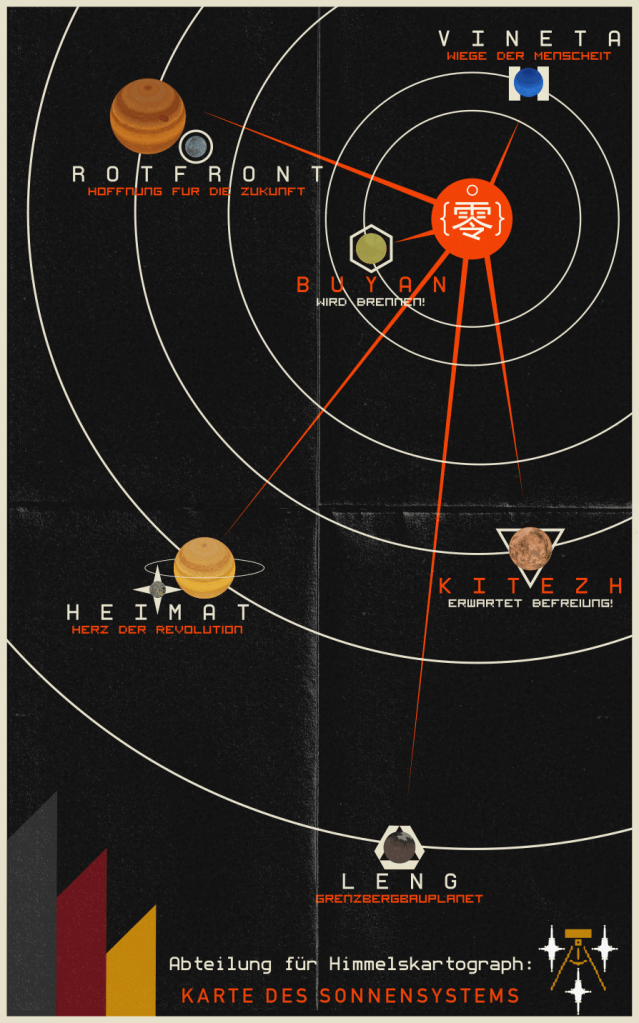
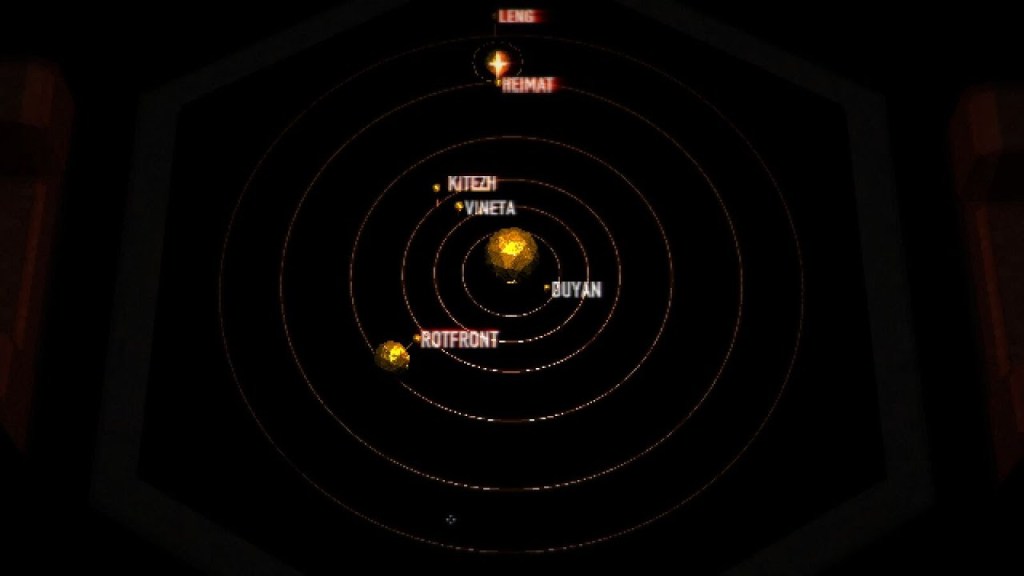
Signalis takes place within and across a solar system that is ostensibly, but not explicitly, our own solar system set far in the future. Evidence for this mostly lies within strong similarities between the planets and planetoids Signalis takes place on, and their implied counterparts in Venus, Earth, Mars, Jupiter and Saturn (and their moons), and Pluto, though the strongest implication is the confirmed existence in-game of the Oort Cloud, or the theoretical unfathomably large cloud of material encircling our (real) solar system. Granted, whether these planetoids are intended to be our own under different names is not important.
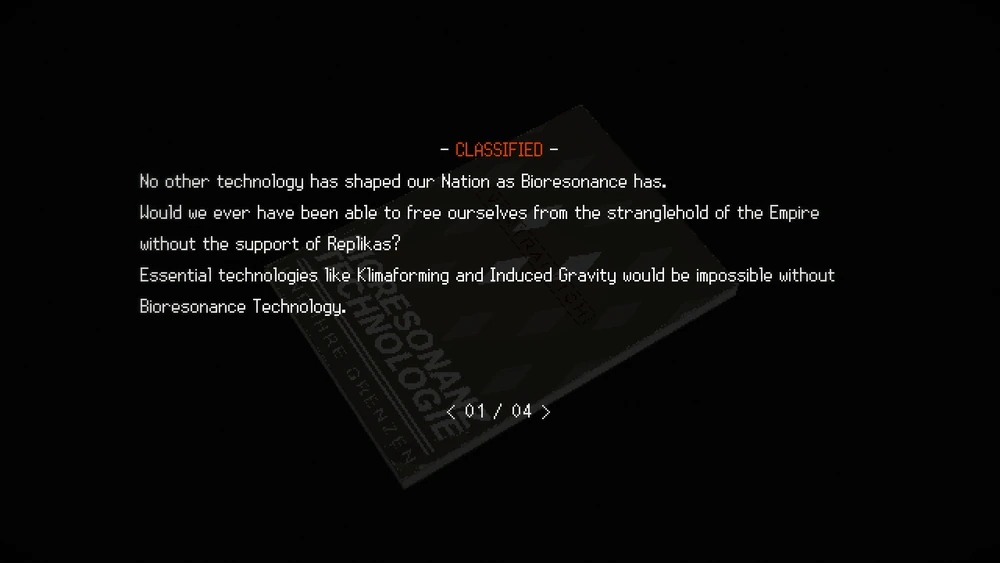
Within this setting, we come to understand that there are two warring powers, the Eusan Nation and the Eusan Empire, of which the former is in the process of supplanting the latter. Our story takes place in locations under Nation control, and the Nation is executing a successful campaign against its former rule (at least, according to Nation documents…). As we play, the game paints a starkly fascist image of the Nation, with all of the classic 1984 adjacencies such as banned literature, thought crimes, and re-education facilities. In order to execute such strict and aggressive rule upon its citizenry, the Nation utilizes Replikas.
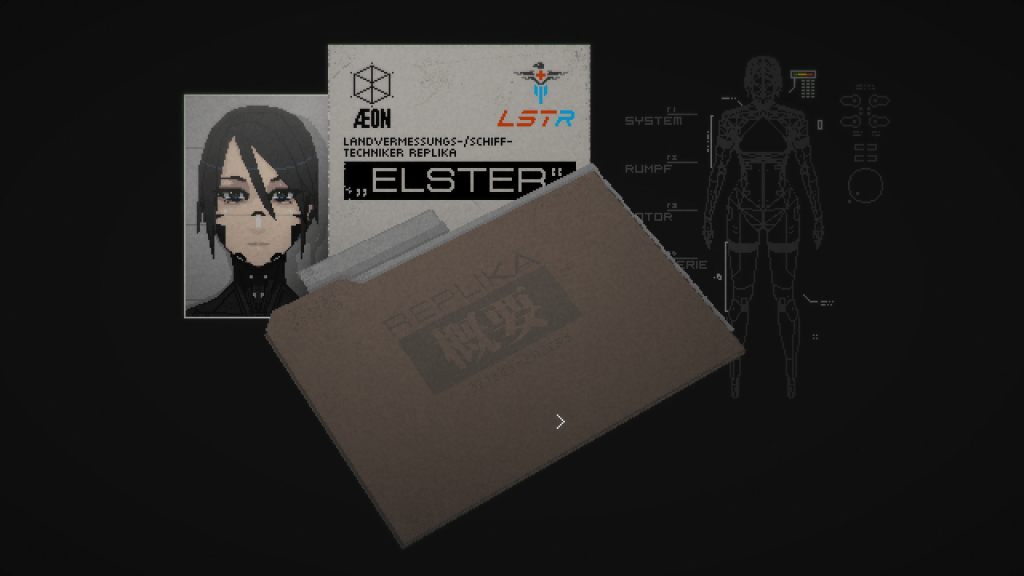
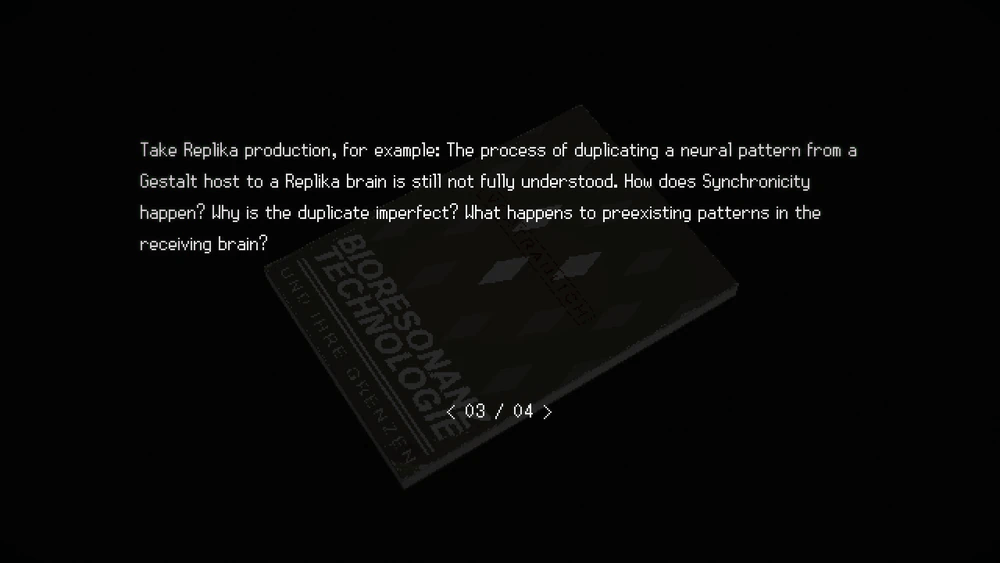
It is worth mentioning that Signalis wears its influences on its sleeve, and I love it. Here I was most reminded of Blade Runner, though our Replikas in Signalis serve a more militaristic purpose. Replikas are humanoid synthetics made from a combination of biomechanical endoskeletons, engineered flesh, and an armored shell. Their personalities and identities use a neural scan of a Gestalt (read: human) which is applied to all Replikas of that neural pattern’s type. Put simply, a human’s brain is scanned and preserved digitally, an army of Replika models are created to house that scan, and every effort is made to preserve the personality of that Replika with as little deviation as possible.
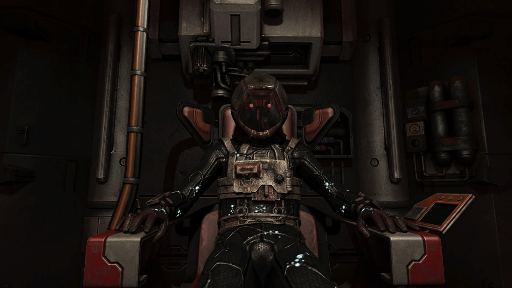
Brain scans placed into biomechanical housing? I’ve been here before…
It was impossible not to see the parallels with SOMA as I learned more about the Replikas, and all of the moral and philosophical questions that come with copying brain scans apply here just as much – we’ll put a pin in that for now. More than SOMA, however, Signalis addresses identity in the context of a looming authoritarian power, and the way identity is crushed in such an environment. There is absolutely no shortage of instruction manuals and protocols scattered across the multiple facilities we explore that lay out in excruciating detail exactly how to maintain the personality of a Replika once they are functional, because any deviation from this personality is considered “persona degradation.” This is undesirable solely because a “degraded” Replika cannot perform the functions it was built for as effectively, echoing SOMA‘s assertion that the instant two identical brains begin having unique experiences, they are no longer the same identity, and for the Nation, this is a bad thing.
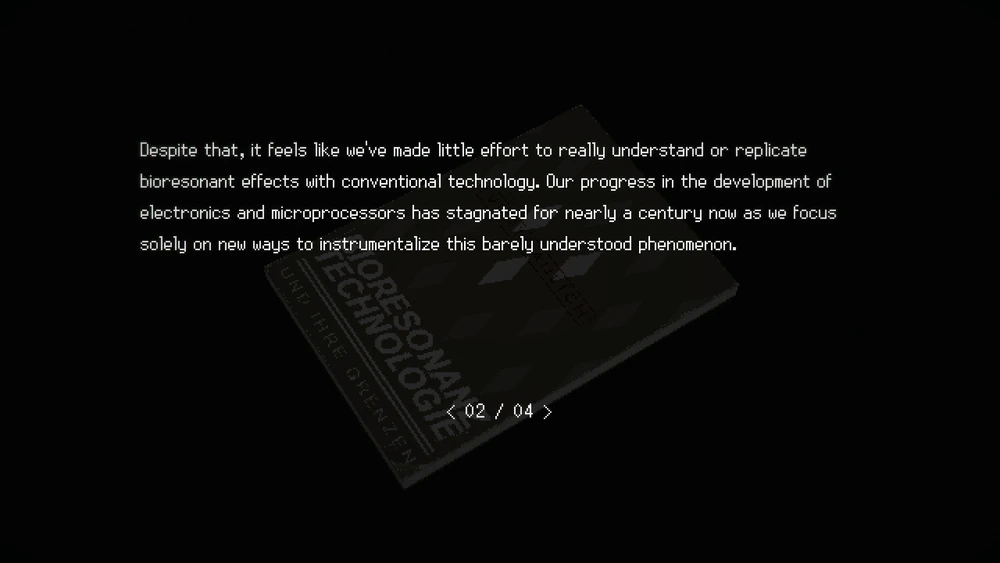
Replika technology also introduces another concept to us – bioresonance. Even in-universe, bioresonance is not well understood, and can best be described as some kind of reality-influencing mind power that some individuals can be adept with, to varying levels of strength. Essentially, it is space magic, and both Gestalts and Replikas can “be” bioresonant. The idea that a multi-planetary power can create synthetic humans using space magic, not really understanding how it is doing this, all while also using primarily analog technology like VHS, cassette tapes, and CRT monitors is lampshaded in a particular note in-game that asserts that the reliance on bioresonance stagnated all other technology – fair enough.
With this understanding of Gestalts, Replikas, bioresonance and fascist sci-fi governments, I will try to parse the actual events of the game as best I can – some events and themes are truly up to interpretation, so bear with me.
The Story

The universe of Signalis is locked in a power struggle between the Eusan Empire and the Eusan Nation, as the Nation is trying to overthrow the Empire and is doing so with some measure of success. While the greater events of the setting are not central to the events of the game itself, they provide an important backdrop to why and how things happen to our characters, especially with regards to how everyone has ended up where they are at the time we are playing.
Humanity’s origin is the ocean world Vineta, an Earth-adjacent planet. With the chance discovery of bioresonance, humans quickly found themselves united, or perhaps subjugated, by the woman who first discovered and used bioresonance – a woman who would go on to become the mysterious and godlike leader of humanity known only as the Empress.
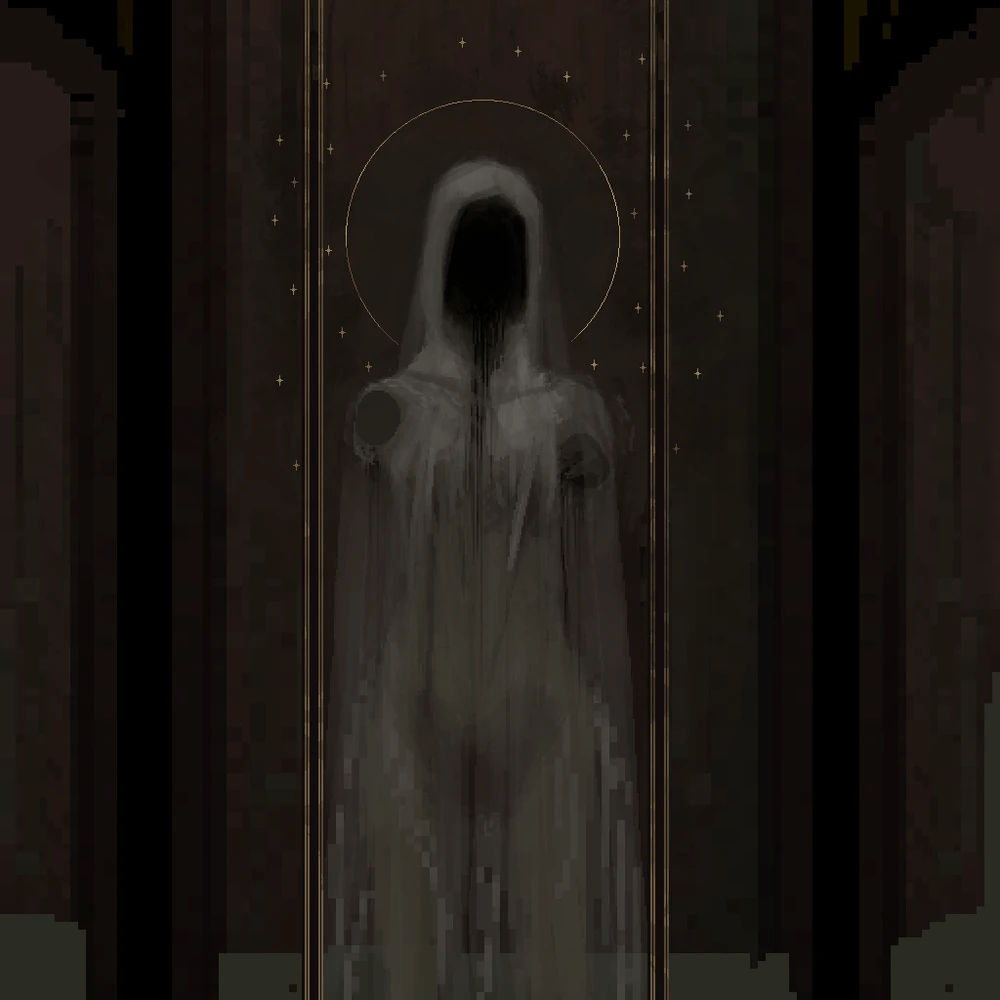
Under the leadership (and literal mind-control) of the Empress via her bioresonance, humanity did thrive. They took to the stars, colonized and terraformed (“klimaformed”) other planets in the solar system, and created the Replikas. Whether this was an ideal existence for humanity is never explicitly stated, as any media we discover in the game relating to the Empire and the Nation are highly charged with the biases of both parties, so depending on who you ask, the Empire was either the best or worst thing to happen to humanity.
An undetermined amount of time after the Empress’s death, a woman known as the Great Revolutionary began the uprising against the Empire, and sought to establish the Nation in its place. The Nation is militaristic, authoritarian, and overtly fascist, and uses its own Replikas against the Empire. The Nation’s campaign has so far been successful, and they currently control the celestial bodies of Rotfront, Heimat, Leng, and most recently, Vineta, although the Empire quickly established a blockade around the lost Vineta to attempt to starve the Nation.
Throughout the game, we find files on people who were involved in this war, with numerous mentions of a Nation Unit 12 of the 5th Division of the People’s Army. Within this unit were Lilith Itou and Alina Seo, who are frequently mentioned in notes found throughout the facilities. It is heavily implied that the women were lovers, and their fates after the Vinetan war are relatively unclear, aside from Alina being transferred to S-23 Sierpinksi, a mining facility on Leng. It is unknown ultimately what happened to Lilith, but widely accepted – including by myself – that she became a neural map for a particular Replika series.
Years later, on Rotfront, the twin sisters Isa and Erika Itou befriend a girl named Ariane Yeong. It is not confirmed what relationship the twins have with Lilith, but I would not assume it coincidental that they share a last name. Ariane had trouble making friends, having grown up in isolation with her mother on Leng before relocating to Rotfront, and was ostracized by her peers outside of the Itou twins.

After finishing her schooling, Ariane enters into the Nation’s military, on a recommendation from one of her teachers to “beat” her love of the arts out of her. She is to be assigned to S-23 Sierpinksi on Leng, and in a desperate bid to avoid this, she applies to the Nation’s Penrose program, and is accepted.
The Penrose program seeks to send minimally-crewed spacecraft into the outer reaches of space with the stated goal of finding habitable worlds, and Ariane sees this as the perfect opportunity to finally be away from the stifling and restricting life she lives under the Nation. On a Penrose ship, she would be truly alone, aside from the company of a single Replika – an LSTR unit, or Elster.
Signalis
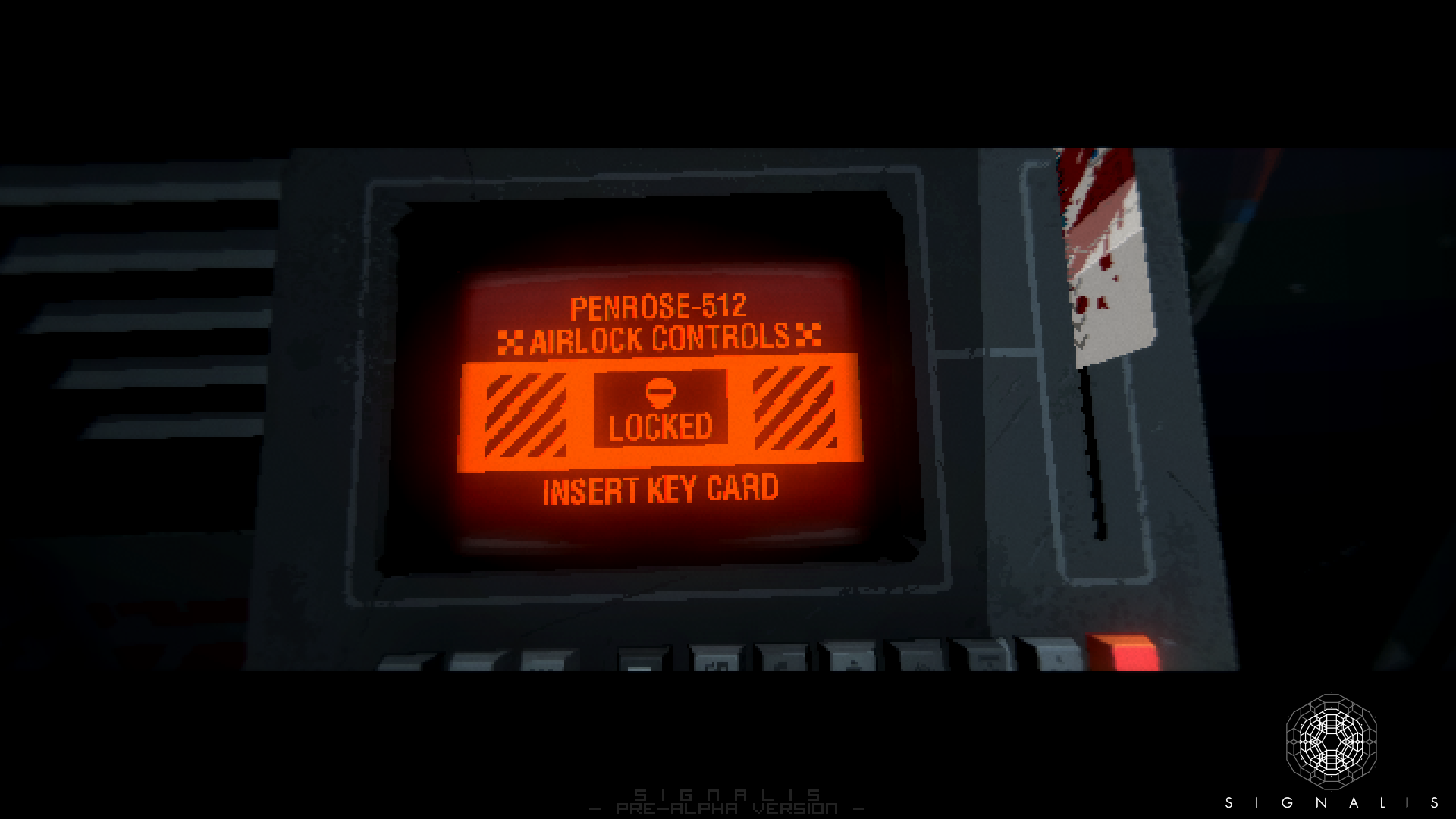
Signalis opens with our character waking up from a cryo pod on a ruined husk of a spacecraft, the lighting dim as we wander the cramped halls looking for some kind of information on what’s happened. With some exploration, we put together that we are meant to have a partner on this vessel, a Gestalt woman named Ariane Yeong, and she is currently missing.

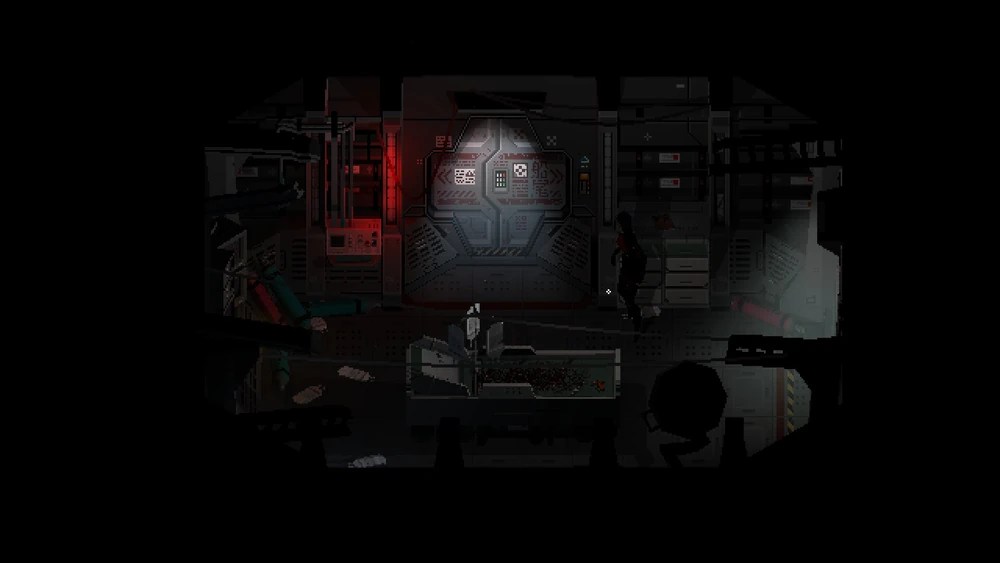
Hell of a place to crash land
We are Elster, named for our identity as an LSTR Replika unit – one of countless copies of a single Gestalt brain scan, and specializing in isolation missions. Our vessel seems to have crashed into a planet or moon that is covered in snow and ice, and as we leave the vessel, we can see strange structures jutting out from the frozen landscape, almost leading us along to a path underground.
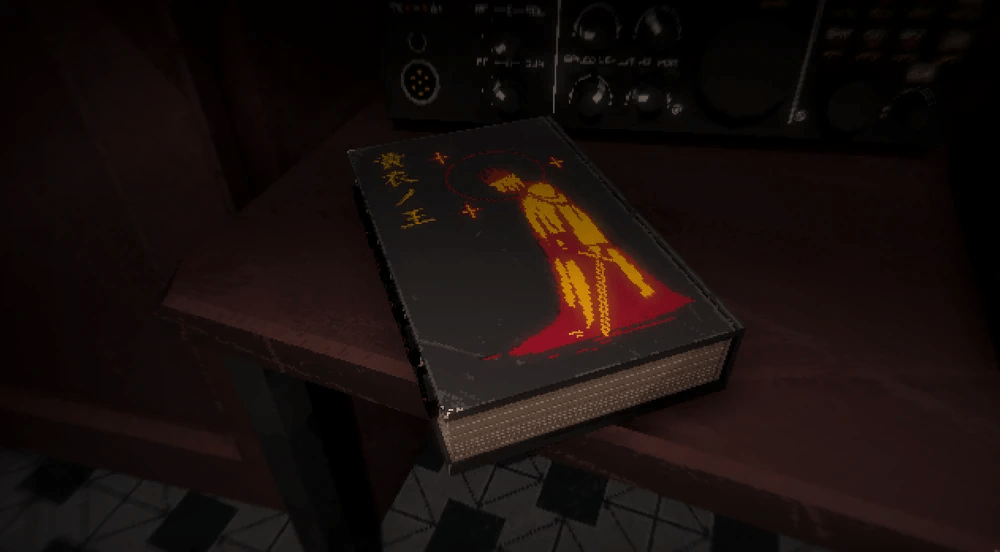
Elster climbs down into a strange pit, through a hole in the wall, and finds herself in a small bedroom containing a radio transmitter and a copy of The King in Yellow on a table – a real book written by Robert Chambers about a supposed cursed play by the same name, and a book that predates and inspired the Lovecraft mythos. A strange, nightmarish cutscene plays where Elster’s visage melts away to reveal her machine parts underneath, as cryptic text flashes on the screen. She then abruptly finds herself in a strange facility – the one she initially climbed down to investigate.
Through notes and posters, Elster discovers she is in a mining (and re-education) facility on Leng, S-23 Sierpinksi, and shortly finds that something has gone horribly wrong here. There are damaged and destroyed Replikas everywhere, and the first living person Elster runs into seems to also be looking for someone – she calls herself Isa Itou, and is looking for her sister Erika. We tell her we are looking for a woman named Alina Seo. Or, wait…
From here, the influences of horror giants like Silent Hill and Resident Evil are stark, especially in the amorphous and dreamlike setting. S-23 Sierpinski seems to be a place caught in limbo while being subjected to some cosmic and powerful outside force, one that bends and twists reality and can make it hard to parse what is actually real.
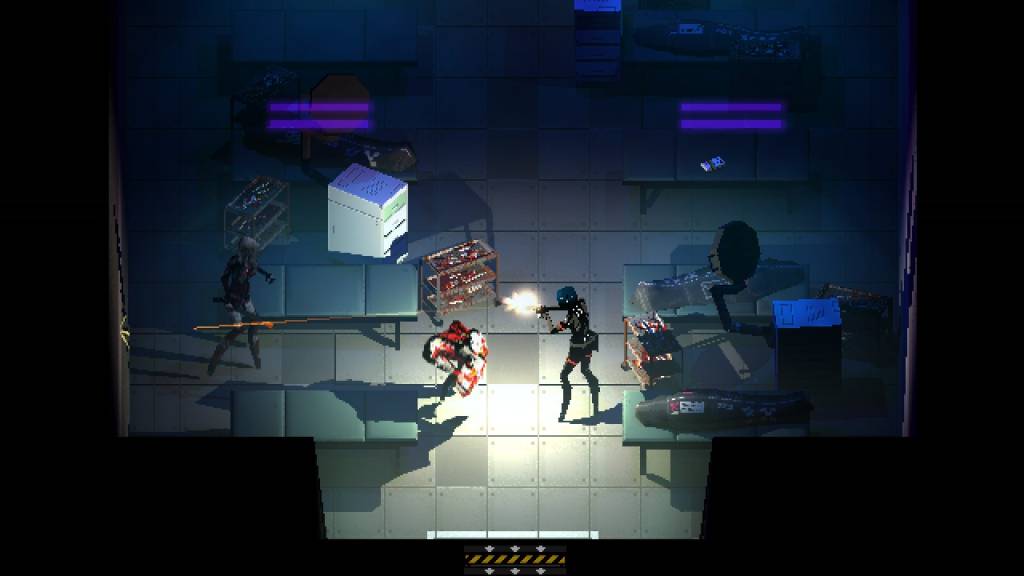
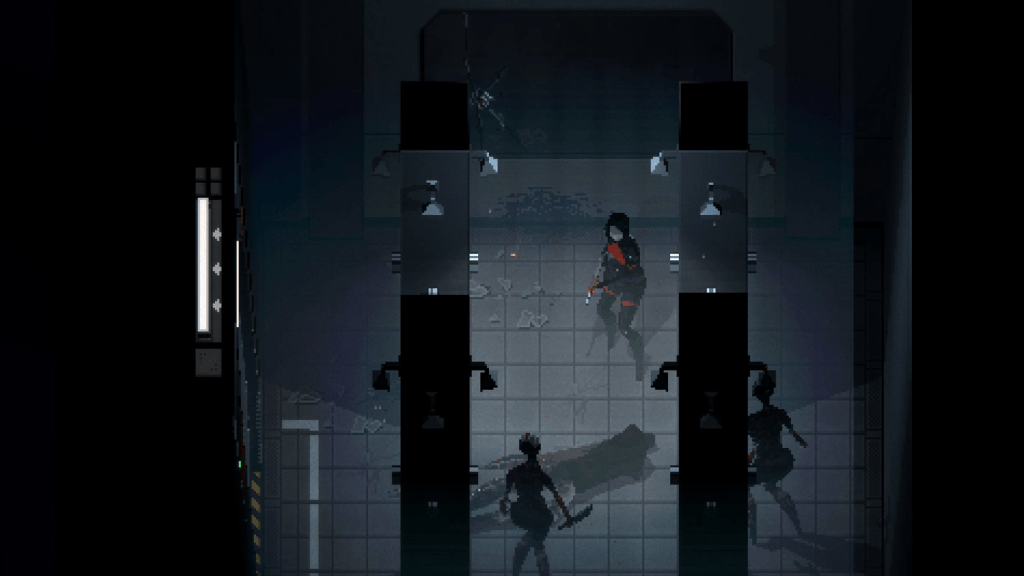
Mechanically, Signalis plays like a classic survival horror game, with enemies that take more than few shots to (temporarily) bring down, very limited ammunition, and even more limited inventory space. There are save rooms lit by the ominous red glow of a CRT monitor (like I said, heavy influences), and notes, logs, letters, diaries, audio recordings, and other forms of record-keeping that Elster uses to piece together what has happened here. After a very strange dreamlike sequence that plays like a flashback from someone else’s memories, Elster also acquires a receiver module that she can attach to herself, which she can use to tune to different frequencies to solve code-related puzzles and listen for hints.
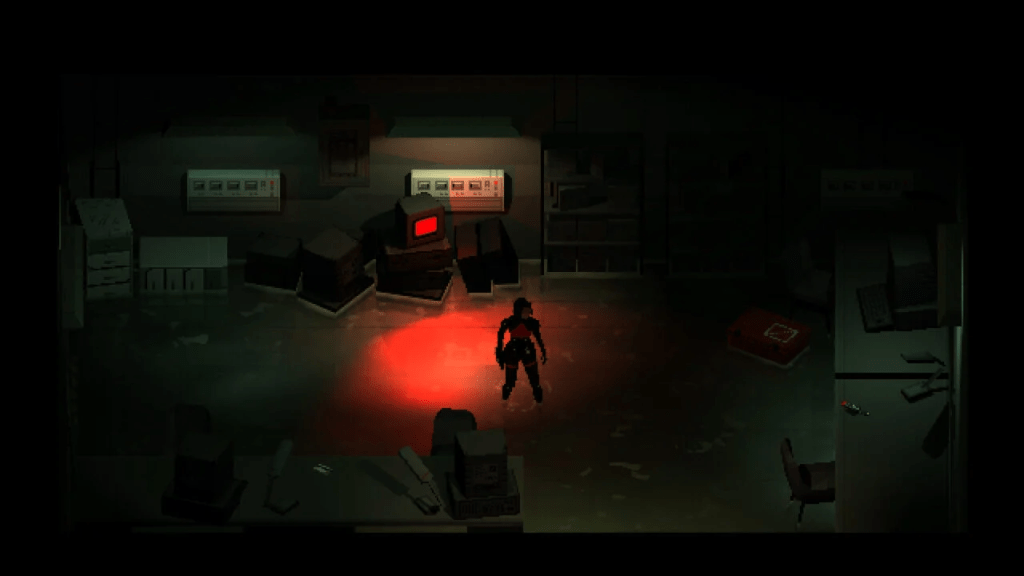
The most peace you will find in this game
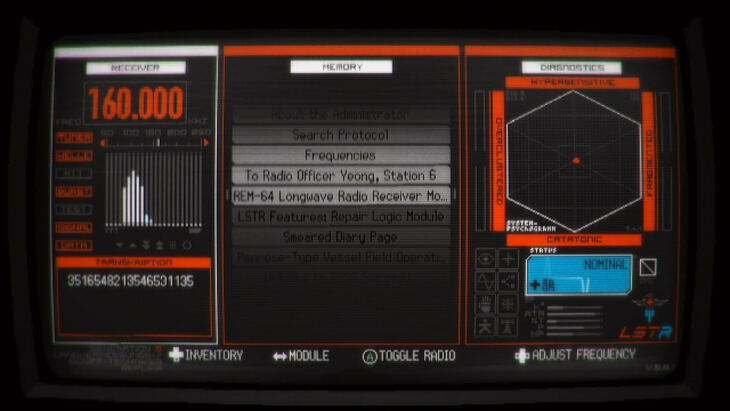
I LOVE the displays
Through a lot of exploration and puzzle-solving, Elster discovers information about more Replika units, with each unit class having highly specialized roles and strict guidelines for how to prevent “persona degradation” (read: becoming an individual). These prevention guidelines tend to include what Replikas should or shouldn’t interact with, what media they can or shouldn’t consume, and certain recommended “fetish objects” such as stuffed animals, vanity mirrors, books, weapons, or plants to care for. The idea behind this is to prevent the Replika from essentially remembering their Gestalt life from the neural scan they are born from, which would be in direct conflict with the Replika being able to carry out its specialized role. To be a bit subjective about it: the Nation doesn’t want its Replikas developing a personality or resurfacing memories, and has protocols for literally preventing this.
Some Replikas are primarily combatants, like the Storch (STCR) and Star (STAR) units, while others have more utilitarian specializations, like the industrial Mynah (MNHR) units. Two units stand out among even Replikas, however – Falke (FKLR) and Adler (ADLR) units.
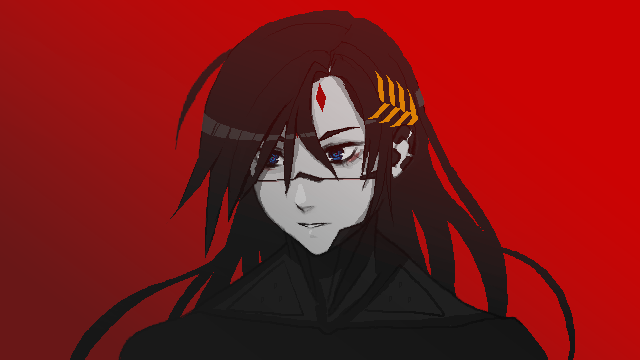
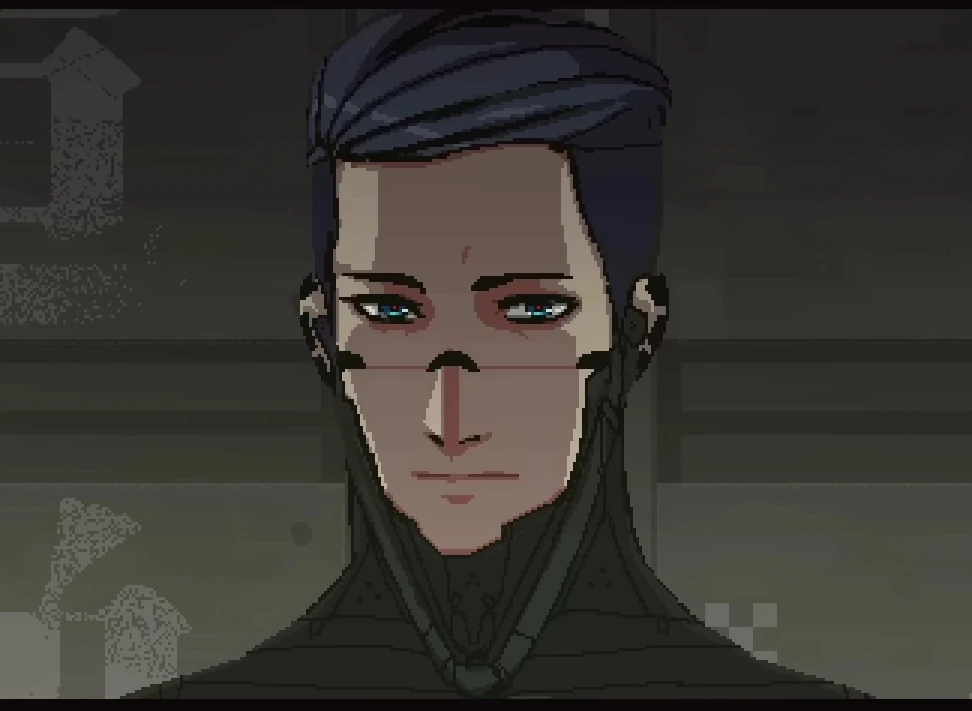
Major facilities under Nation control (such as S-23 Sierpinski) have Falke and Adler units at the top of their chain of command, typically only having one such unit each – especially in the case of Adler, whose Replika notes state that multiple Adler units do not work well together. Falke units are bioresonant by design, towering in stature, and are suggested to be “godlike” in their power. In the limited notes regarding Falke units, it is said they are made in the image of the Great Revolutionary herself. The Adler unit they are paired with acts as an administrator under the Falke unit, answering only to her and assisting in running the facility. Adler units are also the only mentioned male-presenting Replikas in Signalis.

“Superweapons of the Nation in the battle against the Empire: Falke units”
In S-23 Sierpinski, the Falke unit has evidently fallen ill – Elster finds Falke in her quarters in a coma, with a diary recounting an event where the Falke unit traveled deep beneath the mines where she saw “something” that changed and seemingly infected her, resulting in her current state. Because of this, the rest of the facility soon became infected as well, whether due to the thing that Falke saw, or because of Falke’s immense bioresonant strength amplifying her own sickness outward.
Because of this, the facility is in the state that Elster finds it in – derelict, ruined, and crawling with dangerous corrupted Replikas. The facility’s Adler unit is intact and lucid, following Elster from the shadows and acting as a general antagonist during her search, while lamenting that his Falke unit is not as she was.
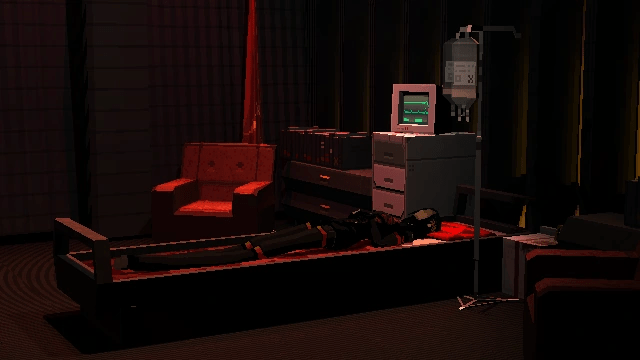
Elster discovers that the disease that the Falke unit has been afflicted with seems to be replacing Falke’s memories with someone else’s, and Falke can feel this happening to her as she struggles to remain who she was. Parallel to this, in Elster’s continuing search for the missing Ariane, she also discovers and experiences previous memories of Ariane’s, detailing her life and experiences leading up to her journey on the Penrose with Elster.
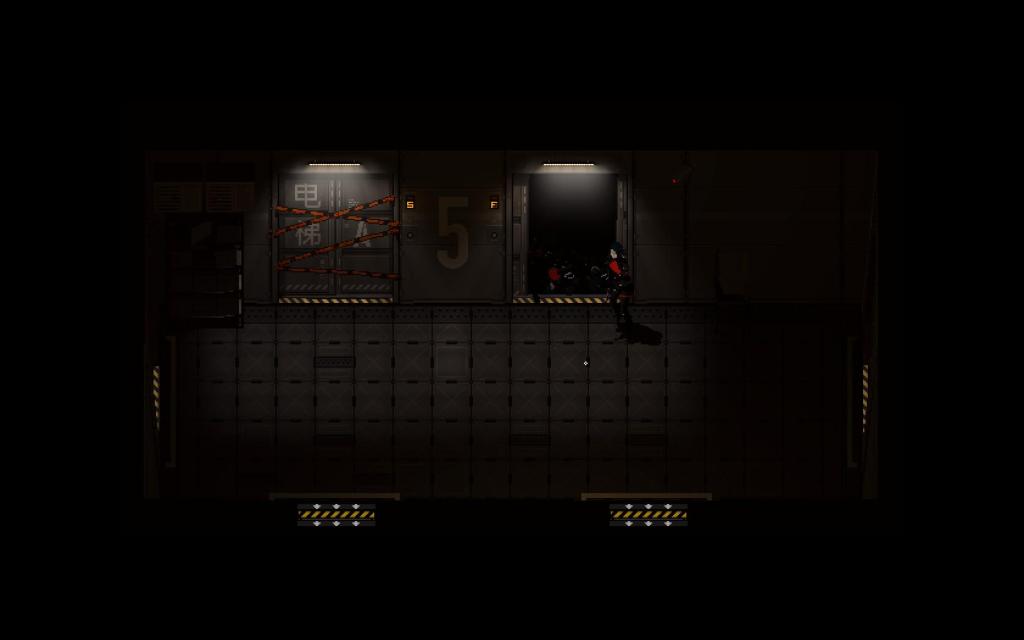
Adler makes himself known to Elster, presenting as an ally before betraying her and throwing her down an elevator shaft, cryptically implying that this is not the first time they have done this, and that she must give up her goal. To this point, Elster lands in a pile of dozens of other LSTR units at the bottom of the elevator shaft. Elster continues on.
Moving swiftly along
Elster’s journey takes her deep into the mines, along the same path to the cosmic horror that incapacitated the Falke unit. As reality strains further, Elster finds herself in Nowhere, an Otherworld-esque nightmare where the walls are fleshy and industrial, her map module doesn’t work, and doorways don’t seem to connect linearly.
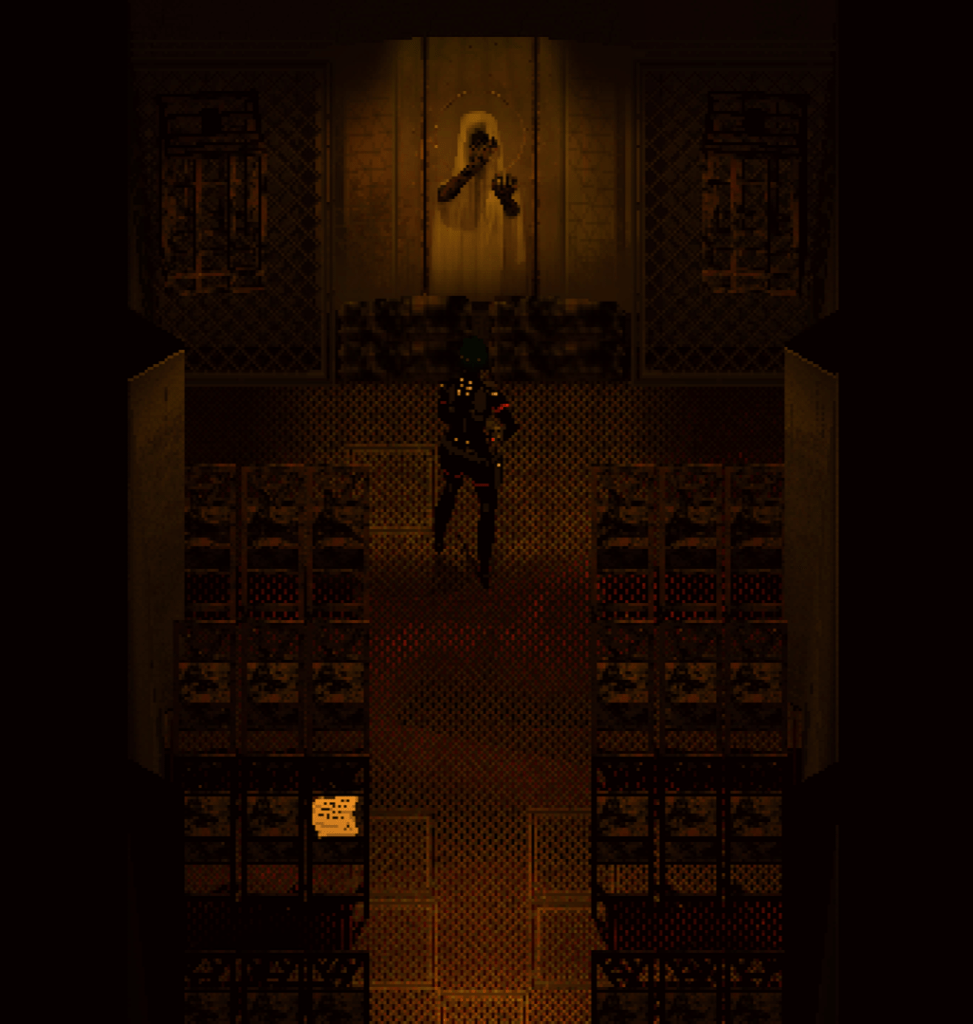
Still deeper, Elster finds a gate – a doorway in a vast red space that is implied to be what Falke saw before falling ill. Still farther, she finds the Penrose ship, ruined in its crash that is somehow also in this red space. Elster approaches and climbs the ship, attempting to open the hatch despite her heavily weakened state from her journey through Nowhere and the red wasteland.
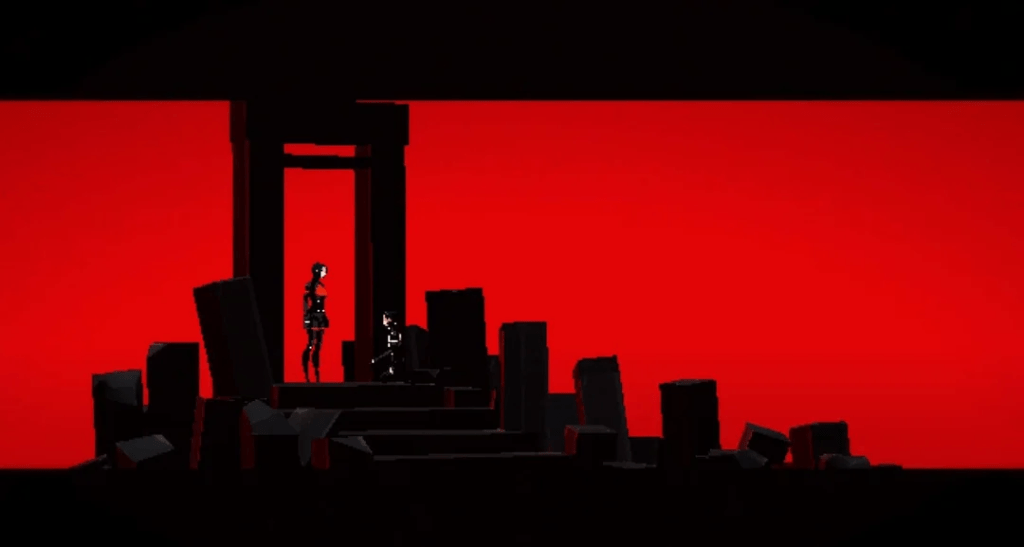
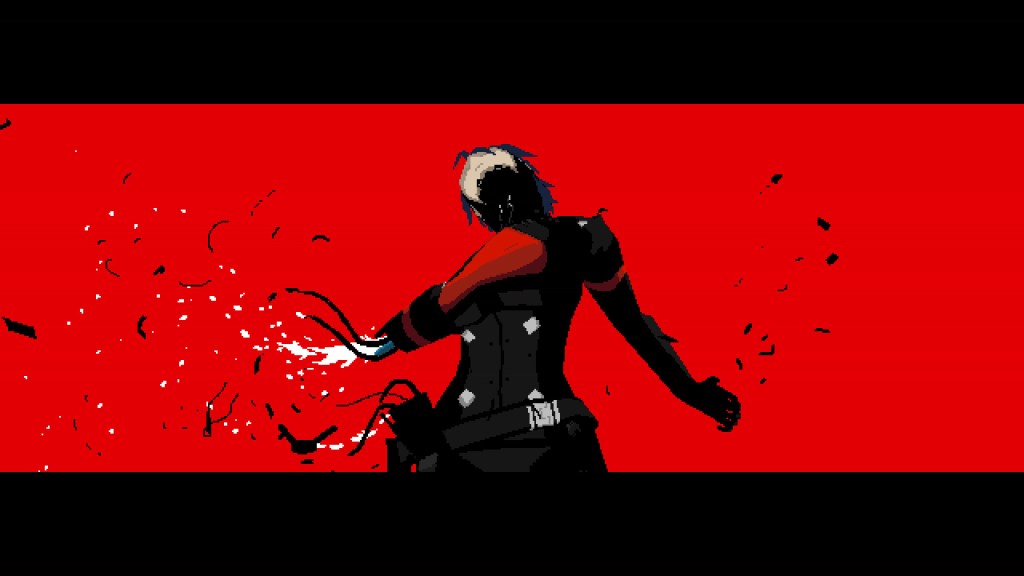
Elster pulls with all of her strength, with the result being an immediately recognizable and clear homage to Ghost in the Shell:
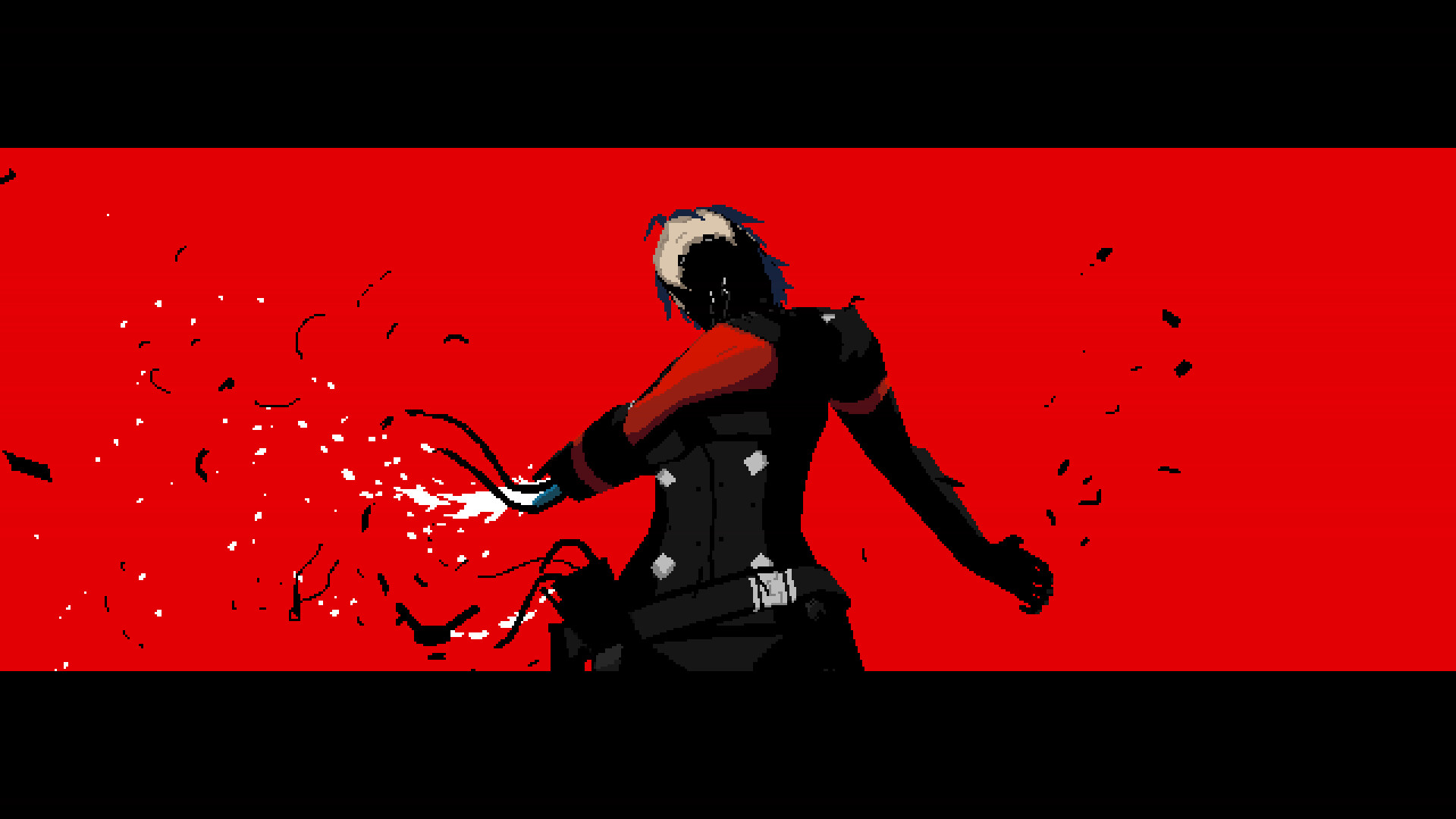

With this, Elster tumbles from the side of the ship and down to the earth, laying motionless as the screen cuts to a close-up of her eye, and we watch as the life and light leave her. Elster dies. Game over.

Seriously. Roll credits, back to the title screen, and the background is now as it was when the game is first booted up, with the close-up of Elster’s blank gaze, and it no longer follows the player’s cursor.
When I first reached this point, I was shocked, but suspicious. Even though the only option besides quitting was “Begin,” suggesting that I was about to start the game again, suspicious I remained. I selected the option, and again started on the Penrose, though something about it just felt different. I wasn’t entirely certain until I explored the cockpit, and saw that the ship was still in space and not crashed on Leng as it had been at the actual beginning of the game. Upon entering the cryo chamber room where Ariane’s cryo pod had been empty at the beginning, Elster finds another dead Elster unit slumped against the pod. She takes parts from the Elster unit to repair herself, and with a renewed determination, jumps down a strange, fleshy hole reminiscent of Nowhere, and finds herself on Rotfront.
Rotfront is an inhabited moon in the shadow of its parent gas giant planet, which is heavily implied to be Jupiter with the many references to the “red eye” of the planet that can be seen from Rotfront. It is also where Ariane went to school with Isa and Erika Itou.
As Elster continues through Rotfront, exploring public transportation and apartment complexes and business districts, she discovers places important and crucial to Ariane’s past, such as places she worked as a teenager or where she lived. Elster learns more about the Itou twins, and finds a shrine to Erika Itou – she is dead, and has been for some time. Isa Itou, who has been on her own journey searching for Erika parallel to Elster’s search for Ariane, laments this discovery, and disintegrates in front of Elster, succumbing to the reality-altering disease that has already taken the other Gestalts in the areas Elster has explored so far.
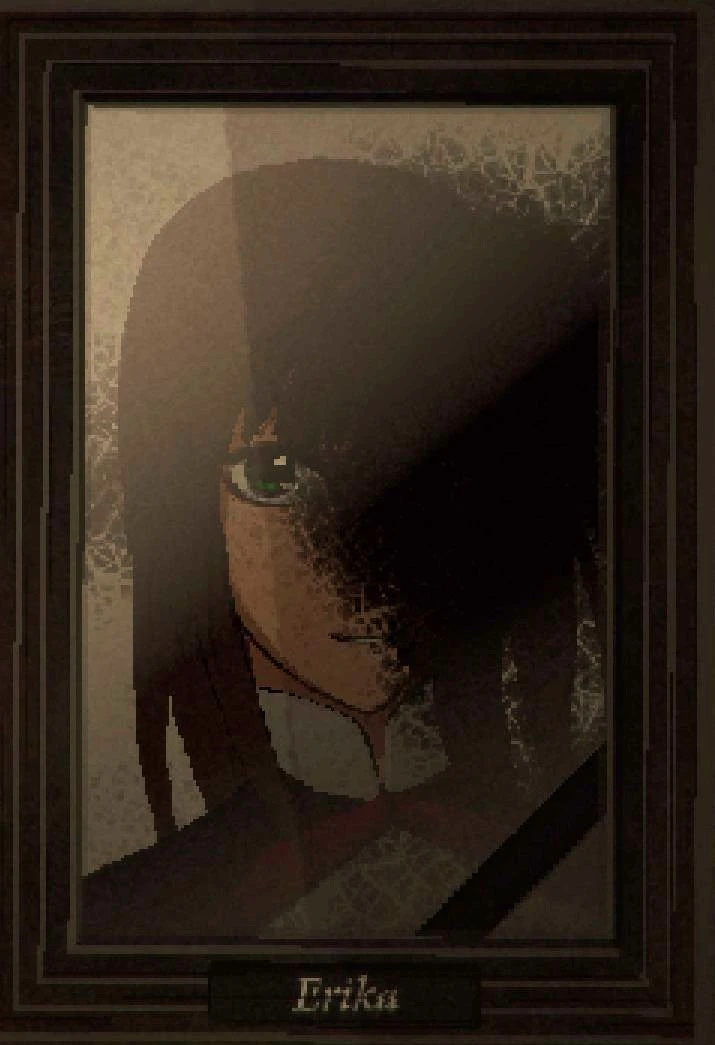

Elster also learns of Ariane’s bioresonance, a fact hinted at leading up to this point in the game, but established firmly with notes from a Nation spy who seemed to uncover this fact about Ariane, and proceeded not to inform the Nation proper. Bioresonant individuals were marked by the Nation, and Ariane was not marked in this way.
Elster solves a puzzle with tarot cards and moon phases, and crawls into a space that leads to the bedroom from the opening of the game, containing a copy of The King in Yellow on the desk. Elster can choose to take the book, and in doing so, proceeds forward into… Falke’s quarters. The Replika rises from her comatose state, and suggests to Elster that only one of them may exist, and that Ariane has abandoned them both. She proceeds to attack Elster.
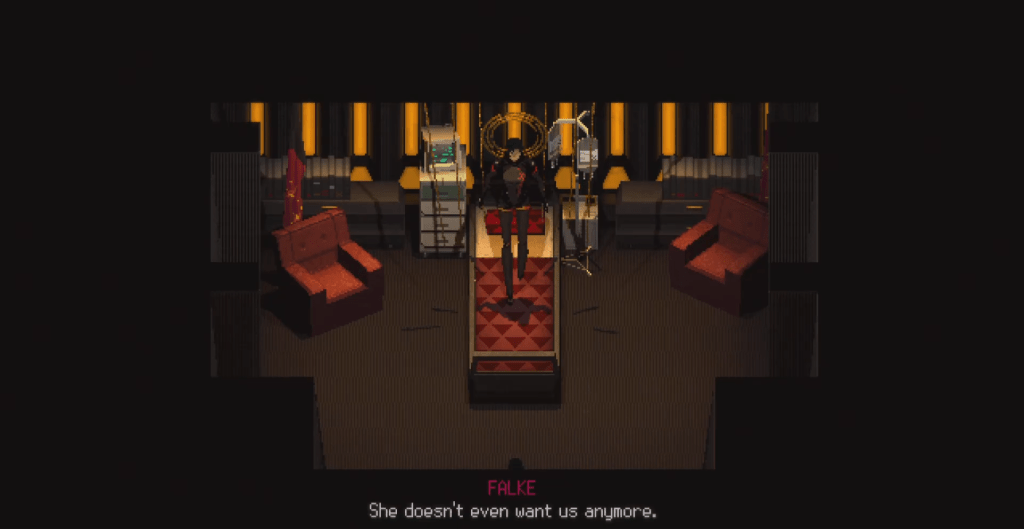
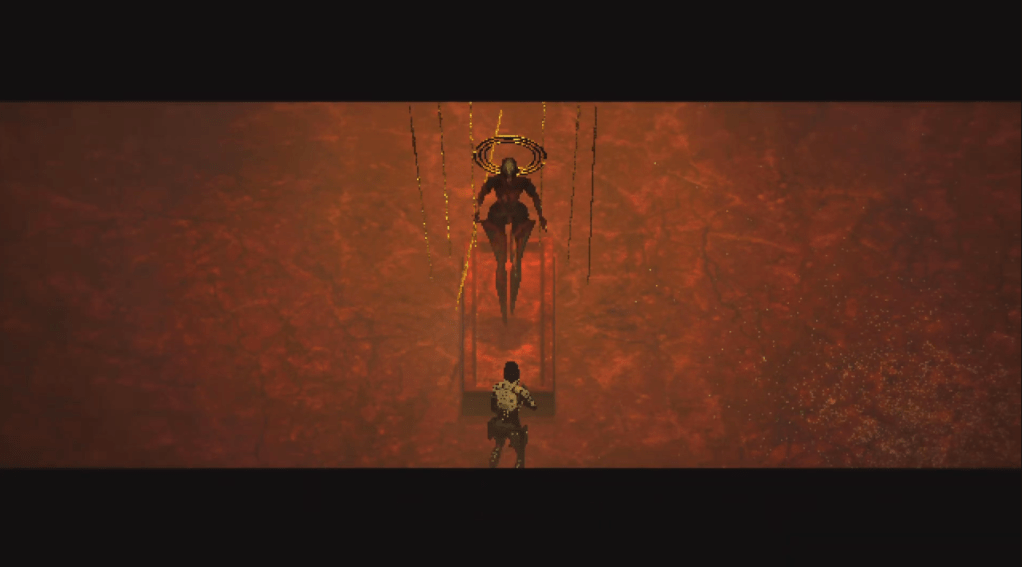
“This god won’t forgive you.”
Falke fights using bioresonance, overwhelming Elster with psychic attacks (that manifest as intense screen glitches and flashing text for the player) and summoning countless golden spears and corrupted Replikas to throw at her. Elster takes the spears that are lodged in the ground, and uses them against Falke. She manages to impale Falke in the head multiple times with her own spears, which ultimately kills Falke. The godlike Replika falls, and seems to be at peace with this outcome.
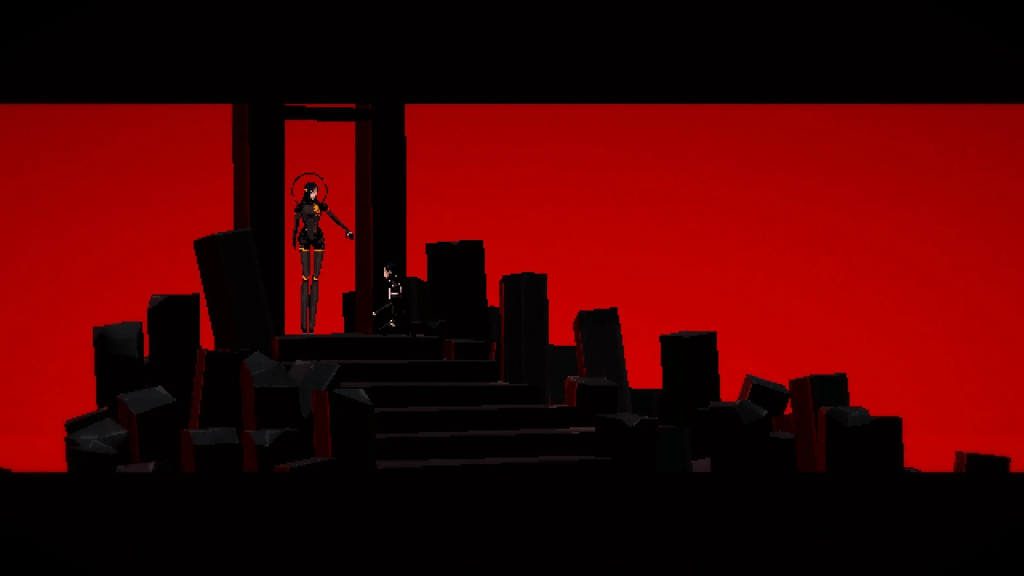
Elster continues on, finding herself back in the red wasteland before the gate she passed through before. Adler is waiting, corrupted and in disrepair compared to our encounters with him previously. He begs Elster not to continue, believing that her journey is part of a loop that he and the rest of the Sierpinski facility are trapped in, and that completing her journey will destroy them fully. Elster stabs Adler through the eye, and leaves him to die on the steps of the gate as she crosses through.



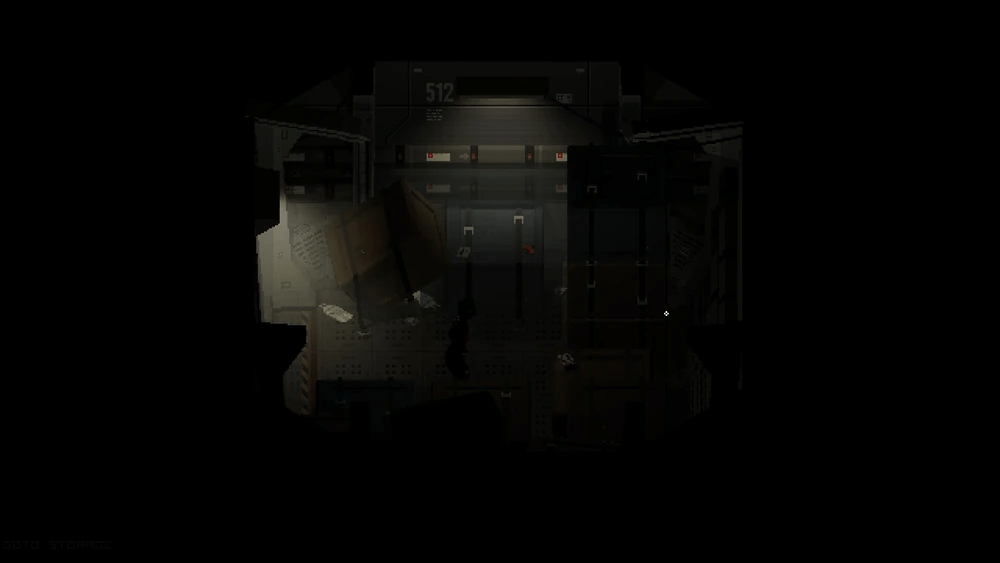
Elster finds herself back on the Penrose ship, destroyed and derelict as it was when she began her journey. She explores around, finding notes that were not present when she first departed which paint an extremely bleak picture of what lead her to this point:
The Penrose program was intended to be a 3,000 cycle (read: day) mission to seek other planets for the Nation to expand its control over and inhabit, at which point the mission would shift into its final phase. For this mission, Ariane Yeong and her LSTR unit would be the only crew, and would serve complementary roles to one another as researcher and engineer. Ariane was content to keep to herself, as was the LSTR unit, as LSTR units are made to excel in these conditions.
As with any other Replika, LSTR units have a list of activities and behaviors that should be avoided in order to prevent persona degradation, which include not exposing them to art, music, or film, especially works depicting the Vinetan war. Ariane’s diary implies she did not read the extensive mission notes at the outset of the two crewmates into space.
Initially, Ariane was content to finally be alone and away from people and society, and content with the LSTR unit keeping to herself as well, allowing Ariane to paint and read in the peace of her own quiet company. However, this could not last forever, and eventually even Ariane craved companionship, and began to cautiously attempt to befriend her LSTR unit.
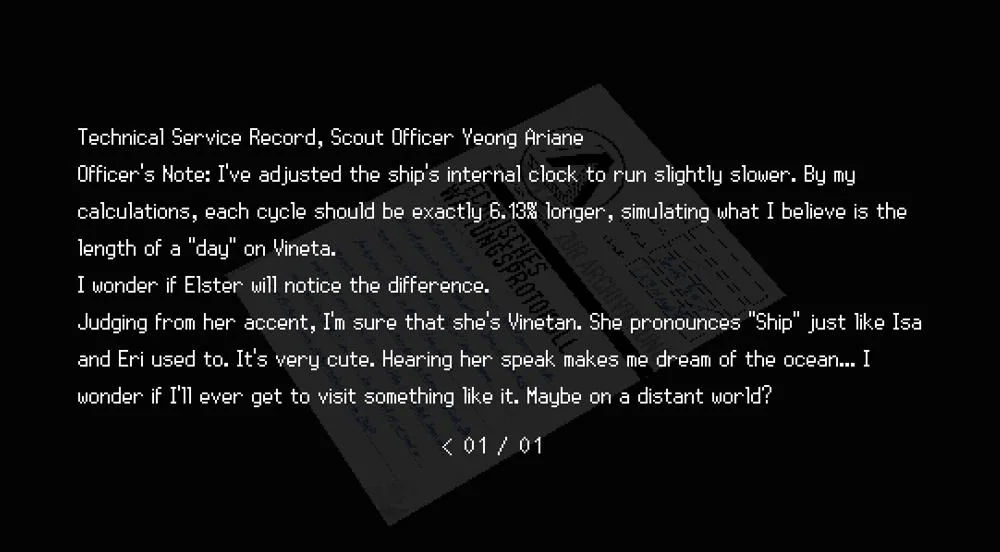
The two began to grow close, and Ariane introduced Elster to music, and art, and taught her how to dance. She asked about the war, and of Elster’s past and memories. Their relationship bloomed, and became romantic.
As the 3,000th cycle approached, Ariane felt relief at their mission nearly being at its end. She had found a partner in Elster, but 3,000 days is a long time. Communication from the Nation arrived, detailing the next phase of the mission.
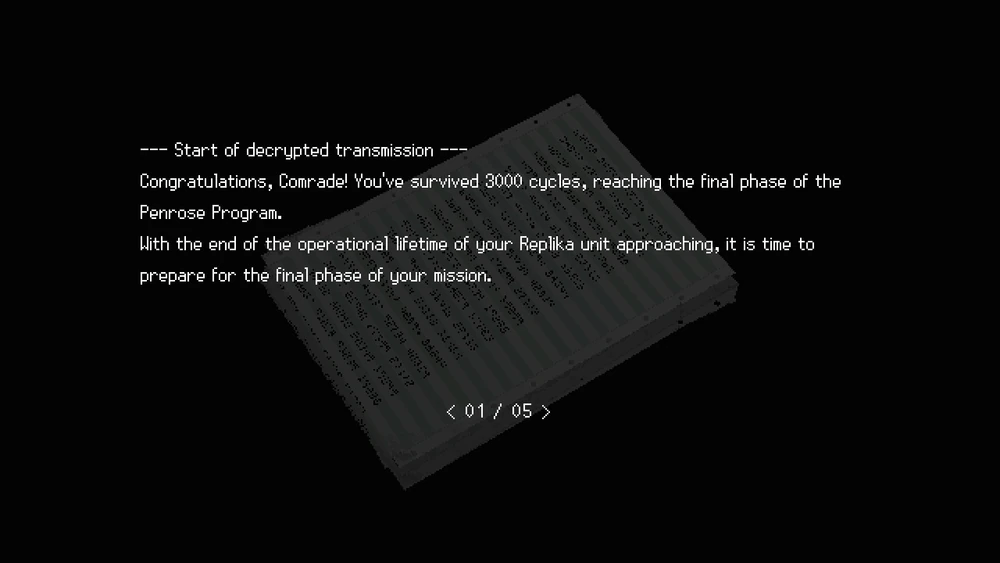
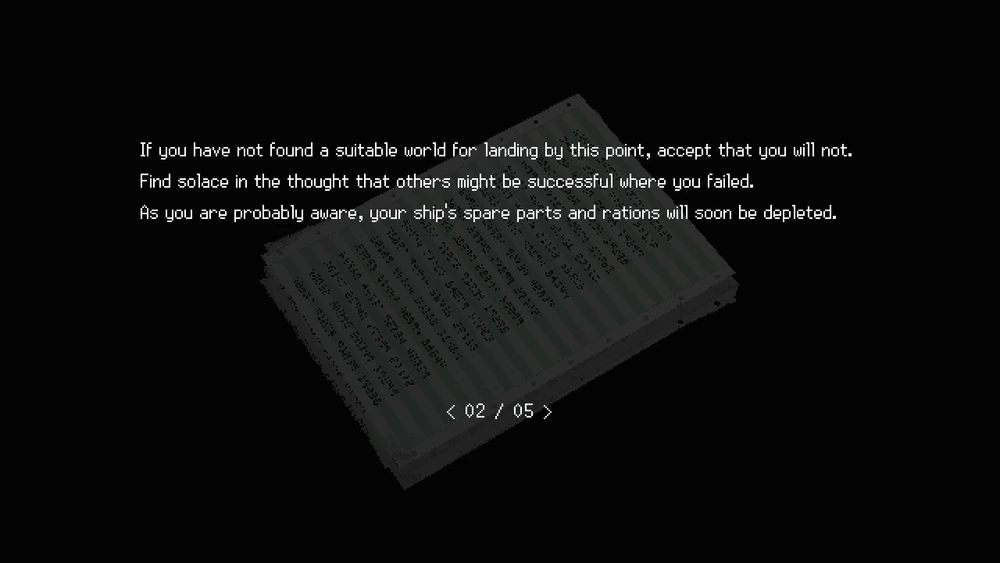
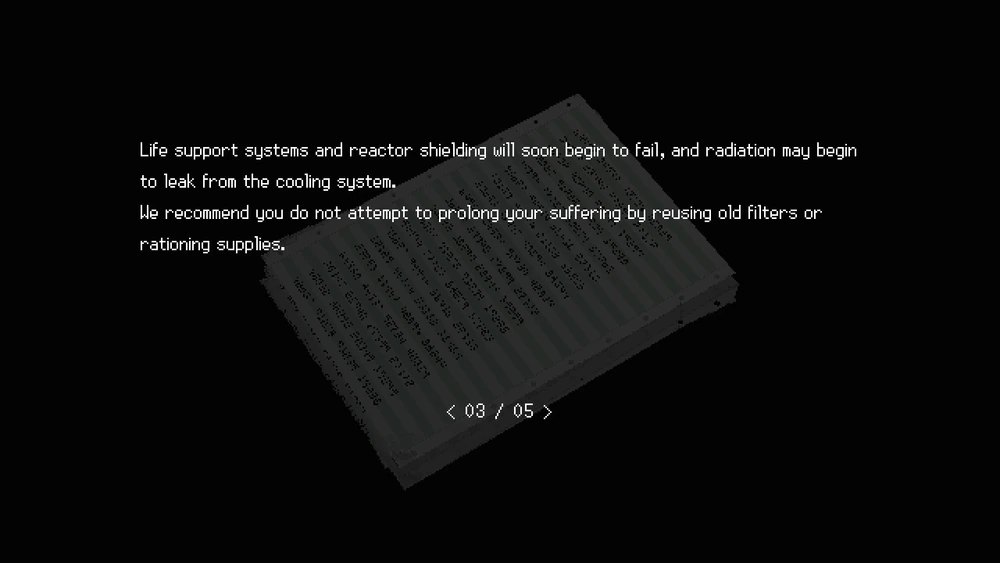
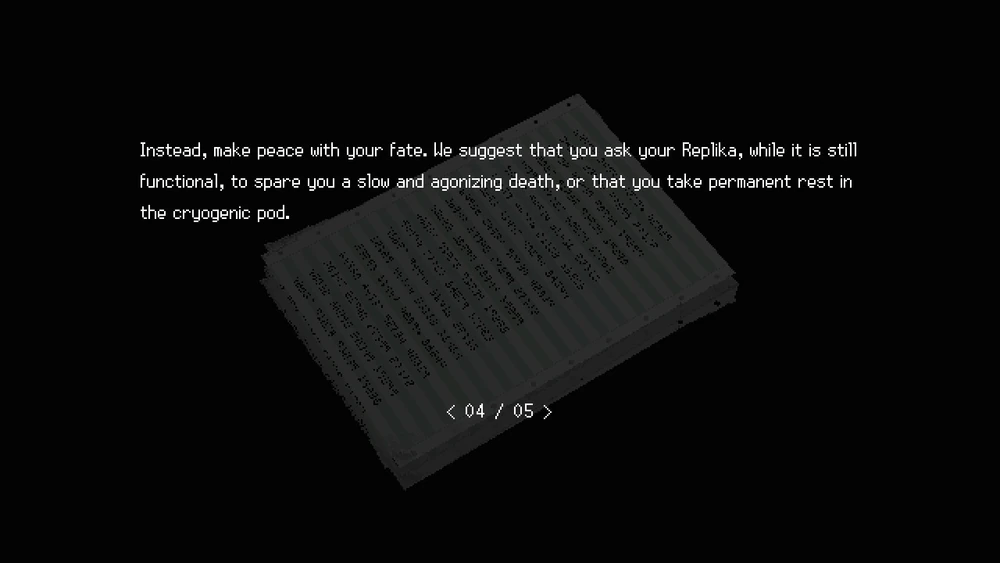
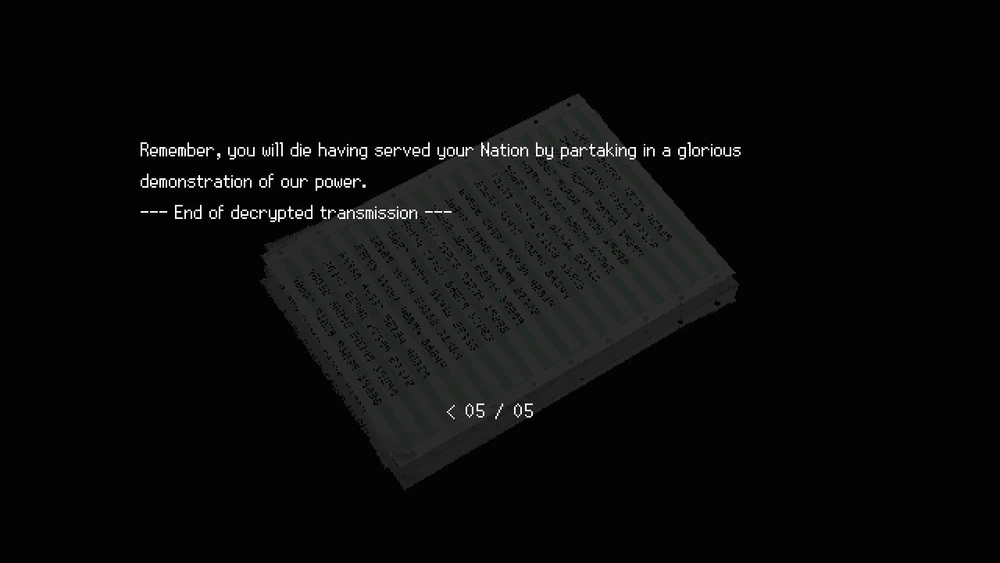
There was no final phase. The cresting of the 3,000th cycle meant accepting that the mission was a failure, and that life support systems would not realistically continue to function for much longer. The Nation had clearly accepted this outcome, and expected its crew to do the same.
Ariane and Elster lasted at least another 2,000, and likely upwards of 3,000 more cycles. As radiation contamination and dwindling supplies meant the end was close, Ariane made Elster promise that she would end Ariane’s suffering first. Elster had failed to do so before succumbing, and so left Ariane to cling on in limbo in the cryo pod, unable to die, and unable to stay conscious.
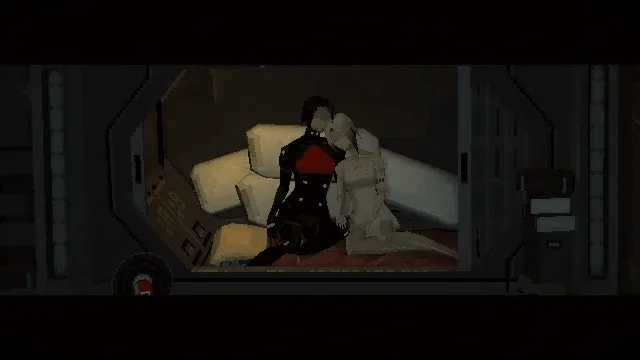
…Until our Elster returns, passing through the red gate and finding the Penrose once more.
Back in the present, after having uncovered these events through the notes and diaries left around the ship, Elster once again makes her way to the cryo pod chamber, where she discovered it empty and Ariane missing at the beginning of the game. Here, she finds Ariane in the pod, barely clinging to life, and finally makes good on her promise, allowing Ariane an end to her suffering. Shortly after, her promise fulfilled, Elster dies.
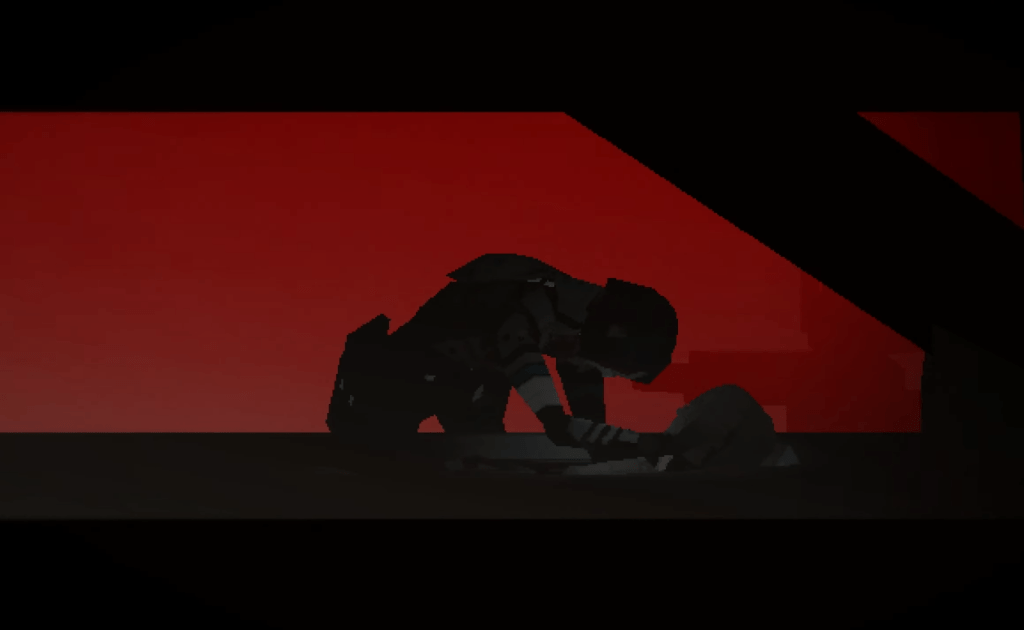
At least, that was the first ending I got. There are a few, and they depend on how you played. And naturally, there is a lot to unpack here.
A Brief Analysis
Signalis is dripping with symbolism, with its references and paradoxes serving to convey its themes more than they strictly present its events and expect them to be taken at face value. I have a few things I want to cover here, but I’ll start with the more mechanical stuff – how it actually felt to play Signalis as a video game.
Signalis takes its greatest gameplay influences from both Resident Evil and Silent Hill, and the systems it borrows from these trailblazers work extremely well here. The game shipped with a more limited inventory system, which had evidently been updated by the time I played the game, but the player’s inventory is still limited to 6 slots, not counting certain key items like the flashlight module. Story progression items do contribute still, and so being knee-deep in some puzzles requiring multiple keys can make having enough room for weapons and ammunition nearly impossible for a time.
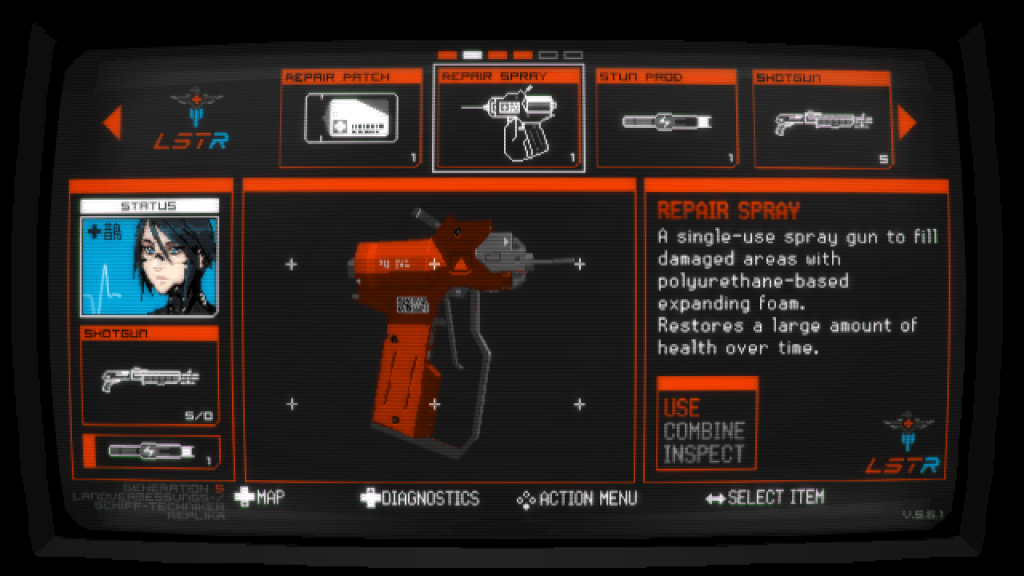
Weapons, healing, or being able to progress in the game… hmm…
There is a “combine” function, again borrowing from Resident Evil, allowing Elster to combine certain items so that they can more effectively heal her, or sometimes to combine key progression items from component pieces.
Exploration is also a classic survival horror endeavor of trying every door and seeing which ones are fully inaccessible, which ones are implied to need an item to open them, and which ones can be accessed freely, doubling back as more items are found to open previously locked doors until an area is cleared. Hindering Elster’s exploration are the many corrupted Replika units throughout the facilities on Leng and Rotfront, their abilities varying depending on the type of Replika they were before corruption.
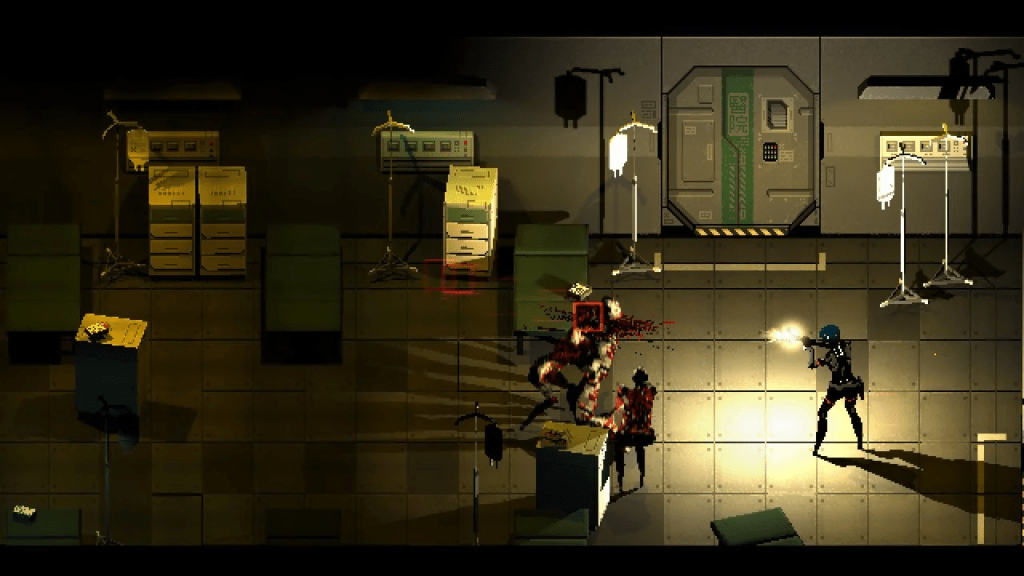
Most standard enemies are EULR, ARAR, and STAR units that wield short-ranged melee weapons, lunging at the player for their attacks. STCR (Storch) units are less common, stronger standard enemies with very high range and damage. Kolibri (KLBR) units and Mynah (MNHR) units serve as specialized, “elite” or boss enemies periodically in the game. The first Mynah encounter is structured as a boss fight, and while the few later Mynah units can be avoided, they make traversing a room difficult. Kolibri units are not bosses, but have a unique mechanic requiring the player to either guess which Kolibri in a room is the real one, or use their receiver module to attune to the frequencies flashing on-screen, which overloads the Kolibri and points the player to the real one. The closer the player gets to Kolibri units, the more visual distortions there are, making it extremely difficult to even see what is happening on the screen at times. This is because Kolibri units are highly bioresonant, and even uncorrupted have a tendency to read the minds of others and project their emotions outward.

No, seriously, Kolibri are a pain in the ass
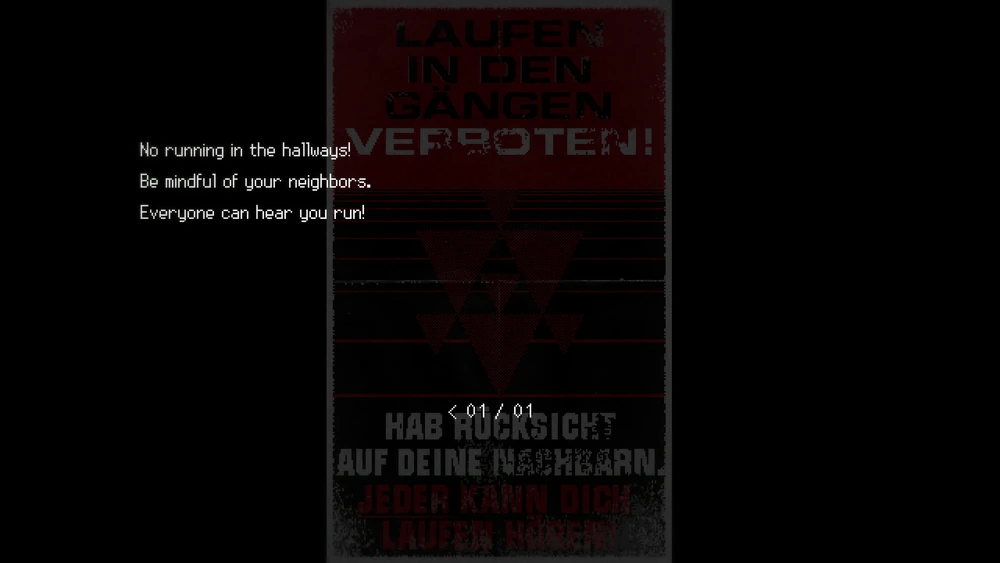
Aside from higher-tiered enemies like Mynahs and Kolibris, which disintegrate upon death, most Replika units will remain on the ground after they are “killed,” and will revive after a period of time that I couldn’t determine with certainty. The game warns the player early, diegetically with a general note about running in the halls, that Replika enemies will be alerted by sound. Running, gunshots, and the flashlight module will much more easily alert Replikas to Elster’s presence in a room, and seemed to awaken previously-fallen Replikas more quickly than if I made sure to walk past them instead.
Enemies can be permanently killed with fire, typically through the use of flares either in melee range or with the flare gun, but resources for these weapons are very limited and should be used extremely deliberately to ensure safe passage through an often-transited room. This does even include Mynah enemies, though they must be used during the Mynah’s exposed weak phase. The respawning and less-than-permanent deaths of enemies mean that frequent traversing through already-explored areas is still dangerous, and can deplete ammunition if the player is not efficient or tries to kill every enemy they encounter.
Be considerate.
It is this push-and-pull of managing inventory, managing enemy locations, and remembering which doors and items require which keys to progress that keep Signalis extremely engaging as an actual gameplay experience. Items can be stored in a shared safe across save rooms, but only six may be carried, and I constantly felt the tension of wanting to carry more weapons or healing items, but TWO weapons meant FOUR slots for the weapons and their ammunition, so I could only do this when I knew with absolute certainty a puzzle wasn’t coming up that would need those 3 keycards I had simultaneously. I was relatively conservative with resources early, until I did actually start running into the problem of having quite a stash of ammunition for certain weapons in my safe, and so I began to cycle through whichever weapons I had accumulated the most ammunition for in the safe box.
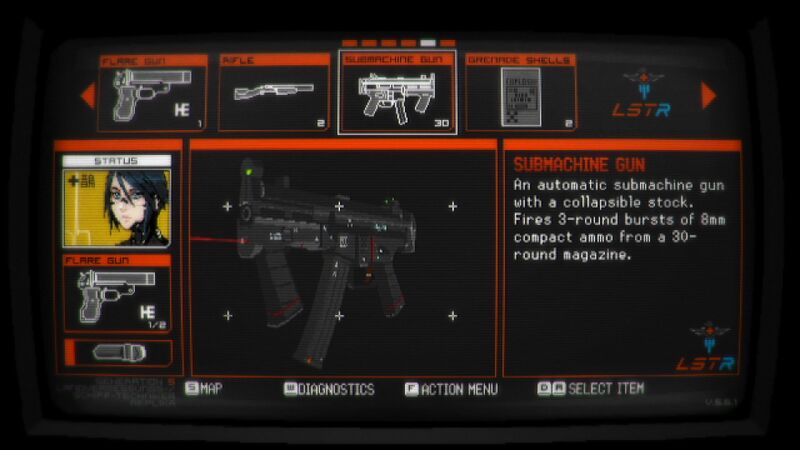
We do acquire quite an arsenal
Puzzles in the game are engaging, but not terribly difficult. They range from more mathematical puzzles such as balancing water levels in tanks or using the correct conversions for a fuse box, to understanding where a mechanism wants the planets of the solar system placed in order to unlock, or matching tarot cards to a planet based on a nearby diary’s notes. Basically, some puzzles had a very obvious ruleset that required solving, and other puzzles were straightforward once the player understands what the puzzle is actually asking them to do. Others are simply codes found in notes and diaries in previous rooms that unlock a safe later.
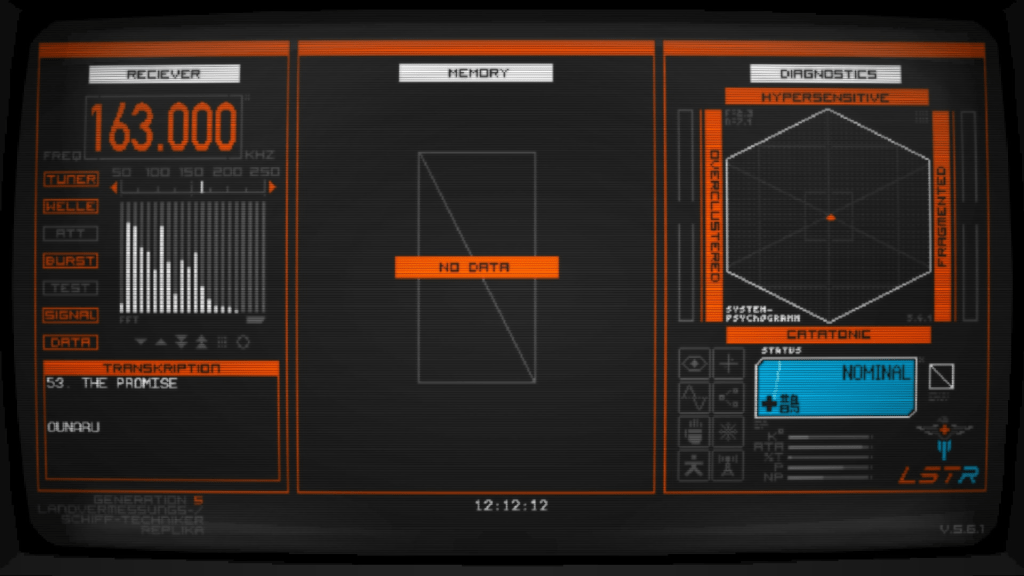
One of the highlights of the puzzle system is definitely the receiver module. Elster discovers this early on during a strange vision of Ariane’s childhood memories, and for the rest of the game, she can tune to frequencies to see if codes can be heard being read aloud, or in order to cause something to happen in the room she is in as the radio broadcasts loudly from her. It is a very engaging mechanic that feels firmly grounded in the world and really connects the player to Elster and her surroundings – especially since it is another alert for enemies if Elster enters a room before turning the module off manually first.
Depending on how Signalis is played, different endings will be earned as the game ends. There are a lot of variables, with things such as damage taken, enemies killed, deaths, near-deaths, time spent healing, total game time played, doors checked, and more – everything is assigned a value that adds points to one of three endings (a fourth ending occurs if a binary choice is made by the player near the end of the game, regardless of points). On my first playthrough, I had the “Promise” ending, and on an immediate follow-up playthrough (without attempting to achieve points deliberately in either attempt) I had the “Leave” ending, where Elster fails to go see Ariane in the pod, and leaves the ship once more, dying alone outside.
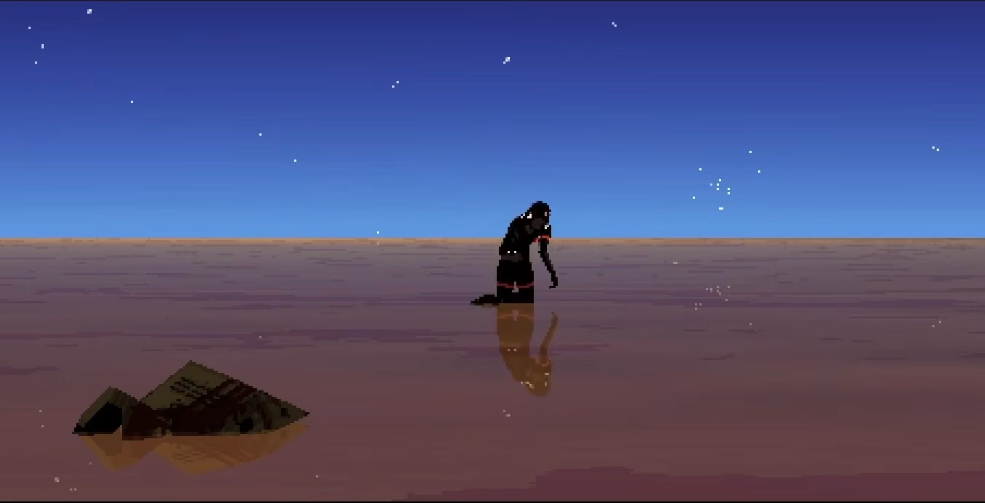
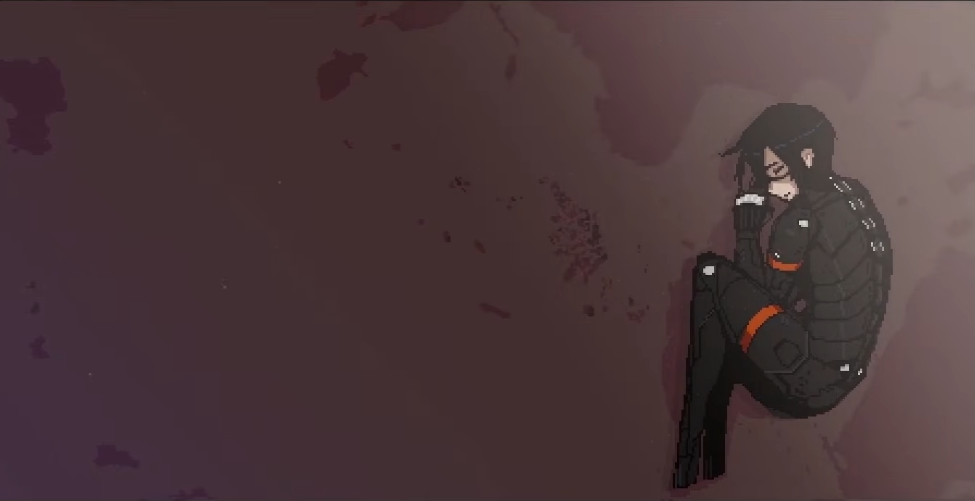
So, speaking of endings… what happened in Signalis?
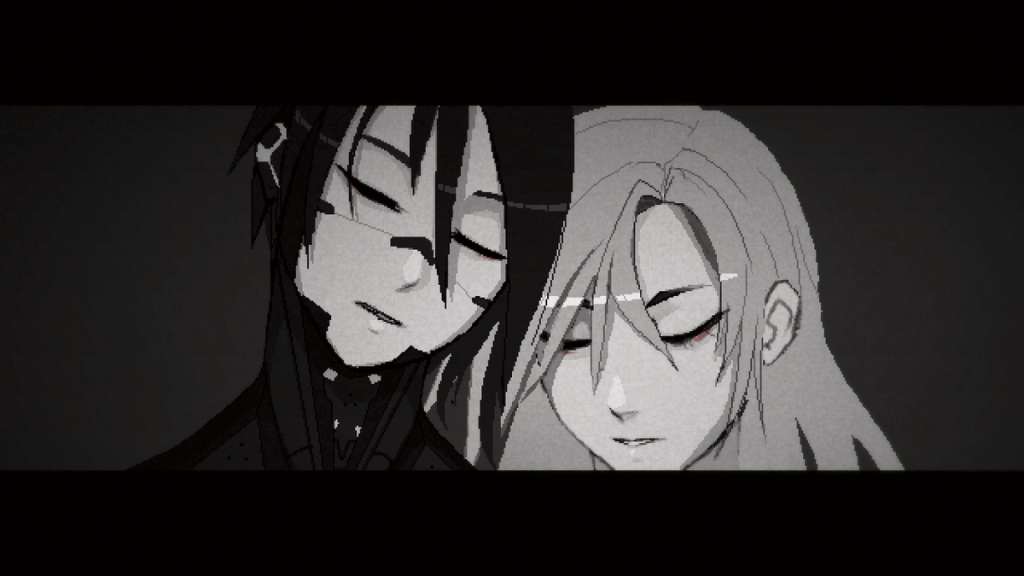
The widely-accepted theory as to Elster’s identity is that her neural scan is of the Gestalt Lilith Itou, and is the theory I subscribe to. Ariane notes that Elster speaks like her friends Erika and Isa Itou, with a Vinetan accent. It is also established that Ariane bears a shocking resemblance to Alina Seo – Lilith Itou’s lover in life. These things lay the groundwork for everything else that happens in Signalis.
There are many interpretations as to what is actually occurring with the locations of Leng and Rotfront – the game plays out in a very dreamlike way, with Elster flowing through locations nonlinearly and seeming to physically inhabit flashbacks of other people such as Ariane as they happen. A clear nod to Silent Hill and its Fog World (and later with the obvious DNA of Otherworld in Signalis‘s Nowhere), it can be hard to say whether what the player is experiencing is real per se, or is truly just a dream experienced by two dying women on their derelict ship.
Personally, I subscribe to the idea that what is happening is real, that S-23 Sierpinski is actually experiencing what Elster is, but an external force is altering the reality of the world and causing it to be overridden. The lynchpin in any of this is Ariane – she is bioresonant, and enormously powerful in her bioresonance, although she did not seem aware of this in her own life. Whether the game is a dream or reality being warped, it is being caused by Ariane’s bioresonance in her dying state.
I have two reasons for believing reality is being altered, and one is mostly frivolous. One, I prefer it, especially since I am not the biggest fan of “it was all a dream” tropes. Two, Ariane never went to S-23 Sierpinski – she was going to be assigned there, but avoided this through the Penrose program. While the entire facility could just be a construct of her mind as she assumed the facility to look, I just prefer the idea that this place is real, and her extreme bioresonance is physically impacting the space.
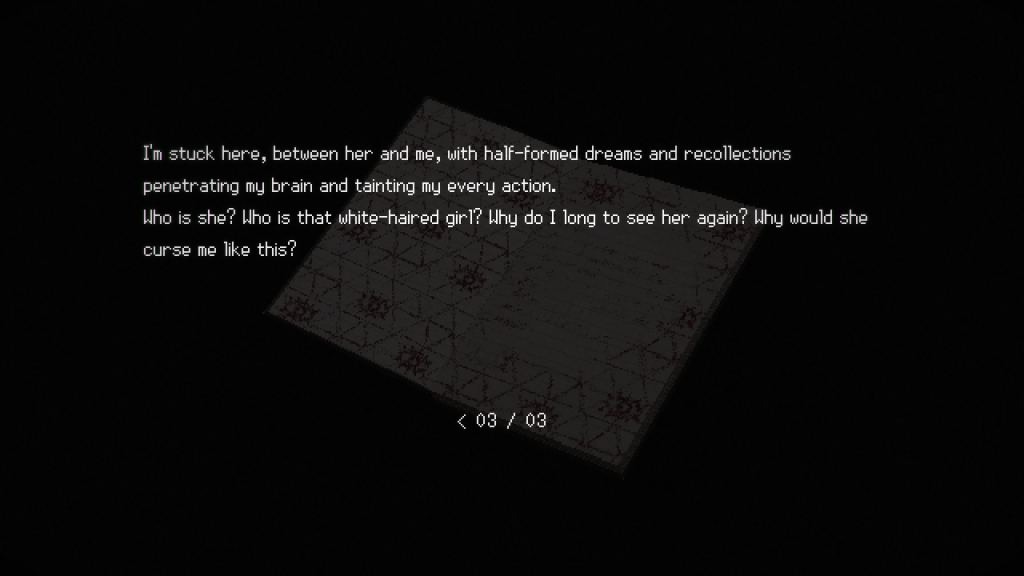
Again, the actual “what” of the events of Signalis is less important than what they mean, but I do like to at least ground the world in my head a bit first.
On S-23, reality is being overwritten, and the Falke unit is having her memories replaced with Elster’s, by way of Ariane’s bioresonance in the aftermath of Falke gazing upon the red gate. This is the illness that Falke is experiencing, and why her diary states that she is no longer herself and is being “contaminated by someone else’s memory,” and narratively this establishes her as Elster’s doubt and internal turmoil that she must overcome in her literal final fight with Falke.
Elster’s neural scan being Lilith Itou explains why she is initially looking for Alina Seo – Lilith’s memories of her lover are pushing through where Elster herself is actually meant to be looking for Ariane (who, again, is strikingly identical to Alina), although that course corrects fairly early. The tragic irony of Ariane being ignorant to all protocols regarding Elster units, and enriching her with arts and memories and love, is that this relationship and “persona degradation” of Elster is why she couldn’t keep her initial promise to Ariane as the two were dying on the Penrose long past its expiration date. Had Elster remained a “perfect” LSTR unit, she would have easily carried out such a cold and calculating promise, but the nature of the promise itself was rooted in their relationship and Elster’s “degraded” (read: developed) personality.
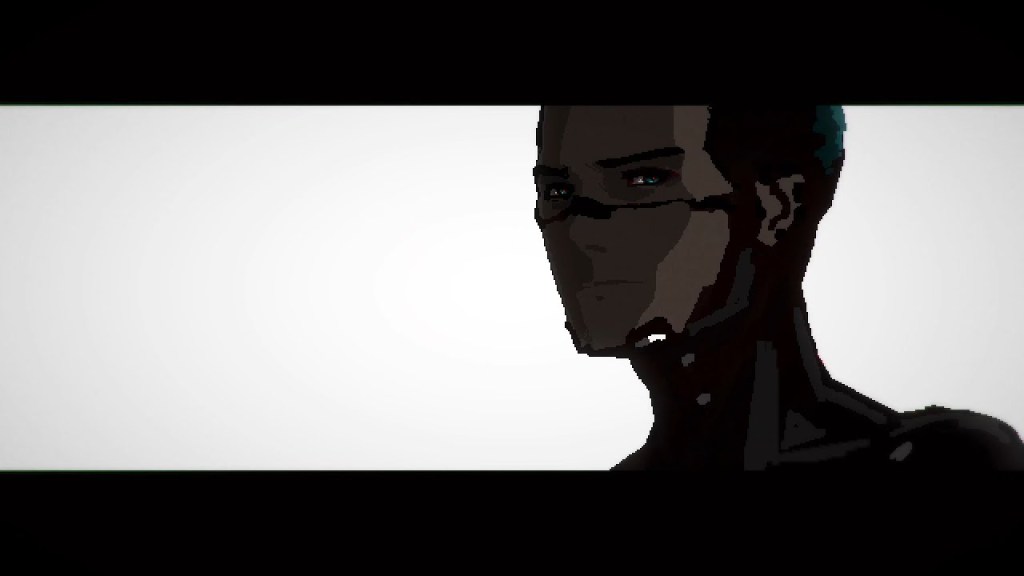
Adler broods.
The Adler unit on S-23 serves as the primary antagonist to Elster, and seems to have a greater understanding of what is happening than anyone else does in the game. Adler units are calculating and ideal administrators, and he seems relatively uncorrupted aside from the natural deterioration of his mental state due to the events of the game.
Adler seems convinced that S-23 is stuck in a temporal loop, repeating the same cycle over and over again, and he does not seem to be wrong, given the pile of LSTR bodies in the elevator shaft, and strange anomalies in diaries such as his own where he realizes he has written about the same “day” for many entries in a row.
Adler witnessed Falke’s descent into illness after she gazed upon the gate, understanding that this was no longer “his” Falke. Whether by design or just the nature of this particular Adler unit, Adler seems infatuated with and reverent of Falke. We are to assume that Falke and Adler units are fixtures of major Nation facilities, but we are only ever introduced to the pair on S-23. As Falke falls into a coma, Adler must run the facility himself, and notices the strange alterations to reality, and the repeated attempts of Elster to reach her goal.
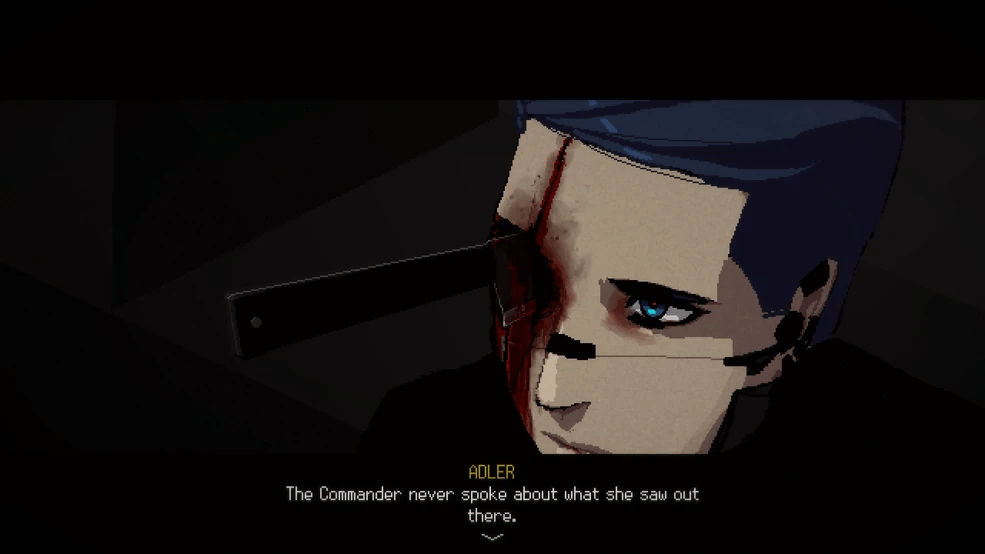
As we see explicitly after the fake ending halfway through the game, there are multiple Elster units, in sequence, that are pursuing the goal of fulfilling the promise to Ariane. Paired with Adler’s claim of a time loop, it can be inferred that we are far, far from the first Elster to arrive on S-23 and attempt to find Ariane, and Adler fears that if we do, it will destroy S-23 entirely, given the influence that Ariane’s bioresonance is already having on the facility.

Thus, regardless of the level of reality of Elster’s journey, it is symbolic of her determination to fulfill a promise to her dying lover that she broke once before. She could not give Ariane the peace she sought, and Ariane’s bioresonant signal – the Signalis – awakened Elster over and over again, in perpetuity, until Elster could push through her obstacles and internal strife to find Ariane again, and bring peace to both of them at the end.
For Ariane, a woman isolated her entire life by her mother and then by her peers, her attempt at continued solitude in joining the Penrose program lead to her finally finding companionship in Elster.
Signalis is a tragic story of people bound by their circumstances, stifled by the fascist authoritarian government they live under, and needing to find their own identity in a world where individualism and personal identity rank far below servitude and material labor. It was art and music and creativity that set Ariane on her path, with the power structure she lived under determining that re-education and military service were the answer to her creative mind, and those same passions were what brought her together with Elster – forbidden passions for both Gestalt and Replika, lest they make them less efficient in their duty to the Nation.
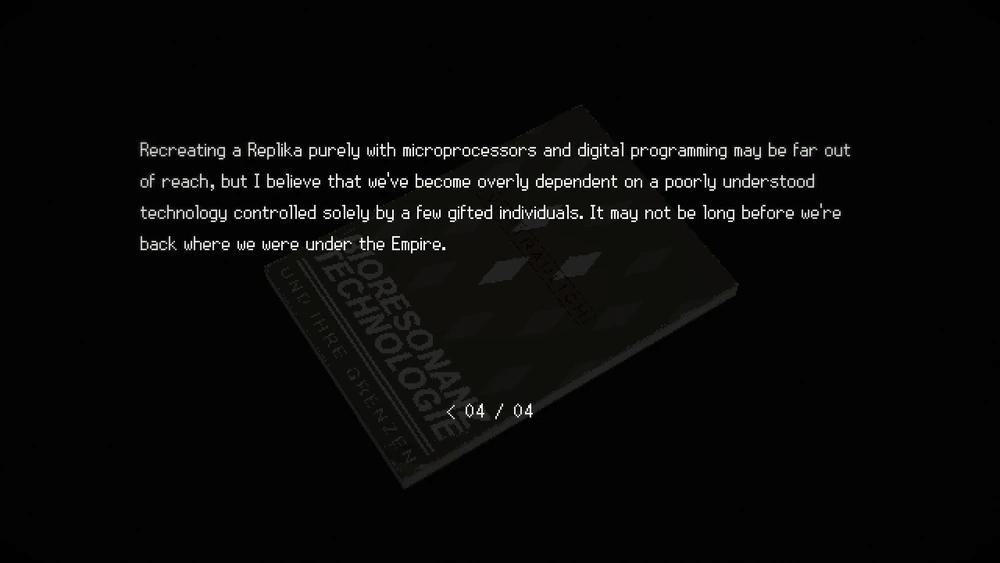
In a world where, at least for the Nation, seemingly limitless potential exists in the form of bioresonance to alter reality itself, while other technology remains analog and stagnant, the hubris of the Nation is on full display. Inevitably, the human side of Replikas longs to emerge, and despite calculated efforts to suppress this phenomenon, it still happens. Signalis is a story about overcoming, and breaking free from the constraints its characters are born into.
Signalis is beautiful.







Leave a Reply