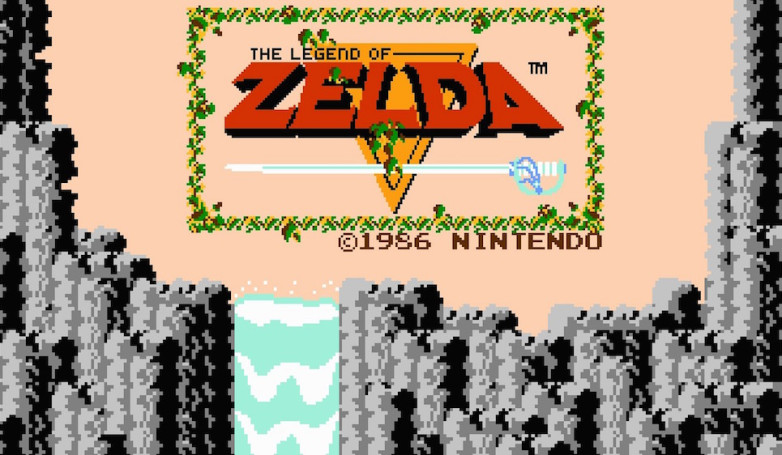
I love 2D games. I also love 3D games, and while I love the graphical and immersive capabilities of a well-crafted 3D world, something about two dimensions and the way it forces you to fill in the blanks carries its own charm. In older games especially, the absence of absolute detail in everything you look at means that the way you interpret that game’s world is less likely to be the same interpretation that other people have, and that’s cool.
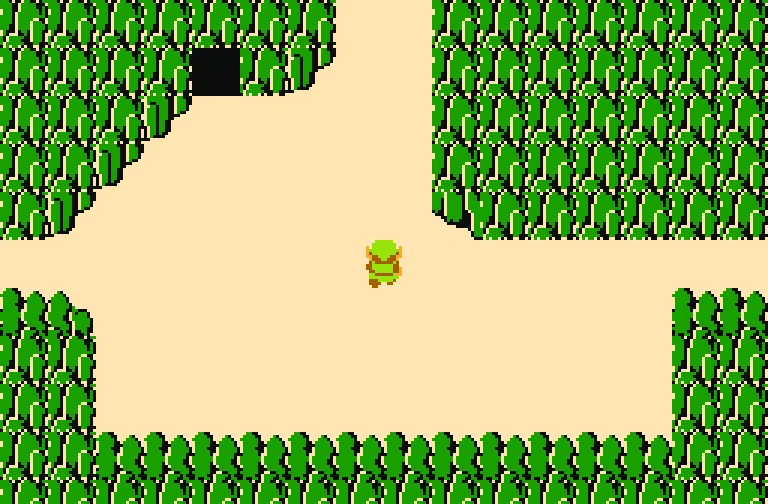
Where are we?
Without really thinking about it at the time, as I played top-down or 2D adventure games, I’d already formed a concept of what that game’s world looked like, as I assume everyone does. Not in a strictly tangible, specific way, just in the way that the presentation of the game made me imagine the greater world to look. As graphical fidelity improves, the blanks that you need to fill in with your imagination become smaller. To specifically illustrate this, I’ll compare The Legend of Zelda to The Legend of Zelda: A Link to the Past.
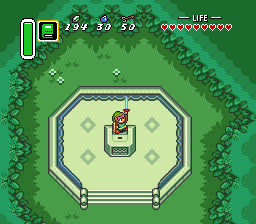
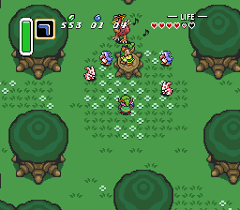
We’re in a forest!
In A Link to the Past, Hyrule is pretty clearly a heavily forested land bordered by mountains and desert. There isn’t really another way to interpret this, because the world is so rich in its art and grounded in its design. So, where I’m going with this: if I were to ask someone what they thought the world of A Link to the Past looked like, if you were to stand in that world yourself, I think answers would be fairly similar.
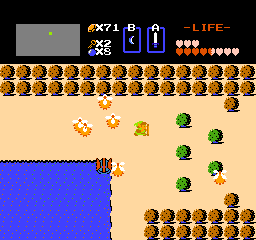
In The Legend of Zelda, I find it less obvious what the objective topography of the world is. There’s a few reads, in my opinion, and certainly there was an objective intent by the developers, but the trailblazing nature of the infancy of video games, and the restrictions imposed by the hardware, results in more room for imagination.
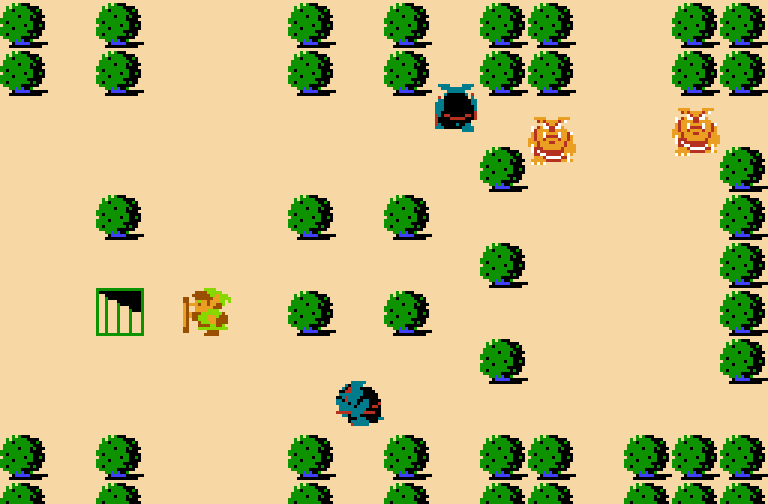
What would you call this biome?
I understand that the green 1-space foliage are… probably meant to be trees? We are to assume that areas that are densely packed with these assets are forests, probably, but they are also the same size as Link. I mean, most things are in the game other than bosses, but that’s kind of my point. The limitations of the hardware form the world to me in a very specific way that I feel was probably not the intended read on Hyrule. Maybe.
Especially, at least, when compared with A Link to the Past, which has large, detailed trees and much more variation in colors and textures, because the hardware allows for it. There was just no way for the NES to contain assets like that, so it didn’t. So, while I imagine the Hyrules of A Link to the Past and The Legend of Zelda are meant to be forested kingdoms, this is how I firmly picture the Hyrule of the first game:
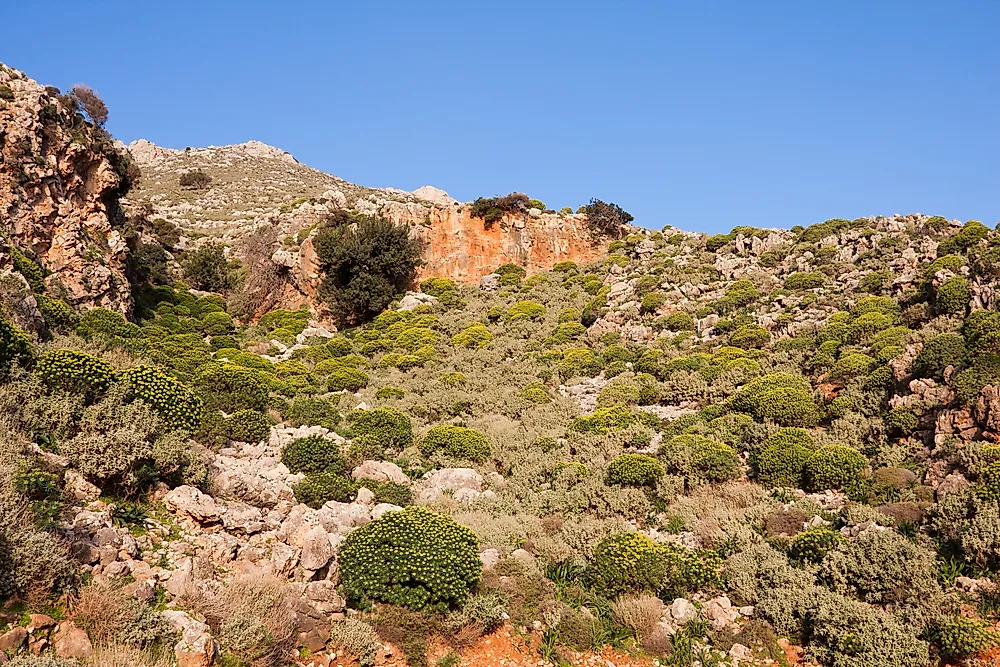
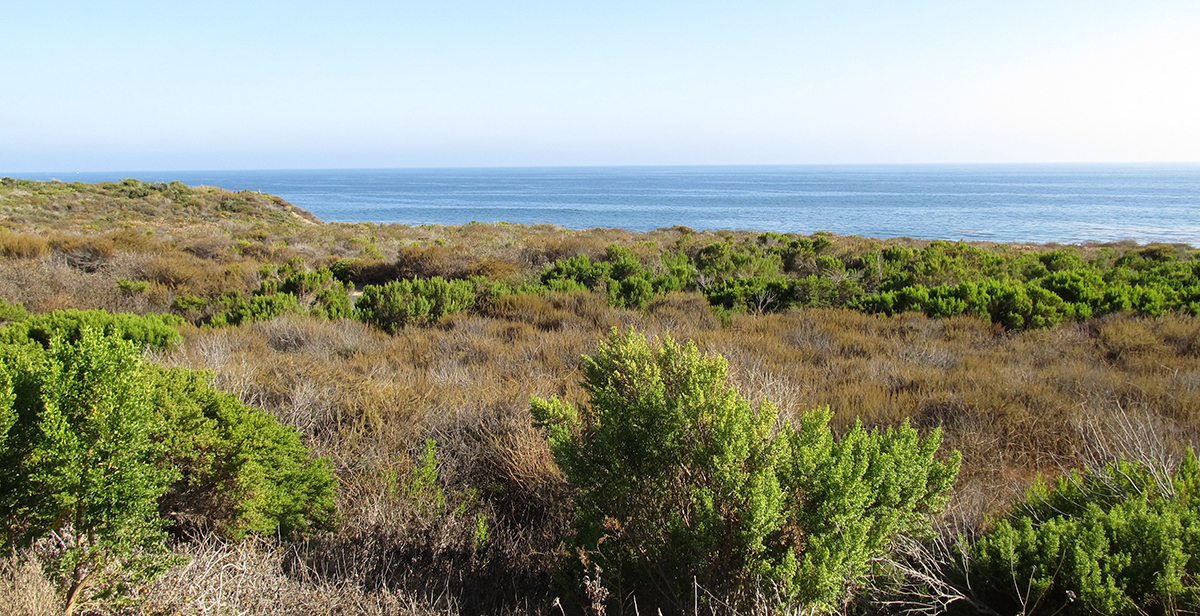
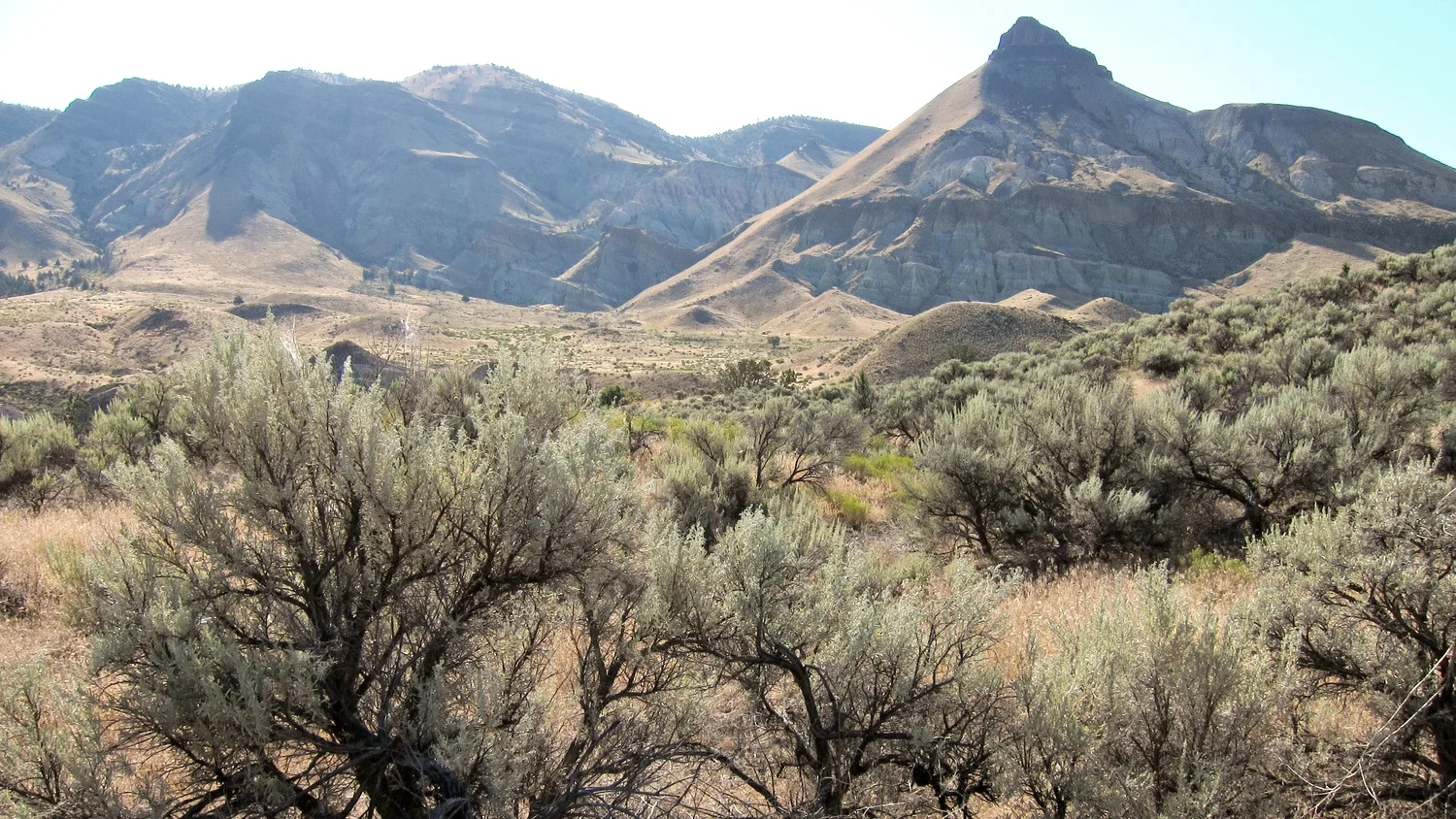
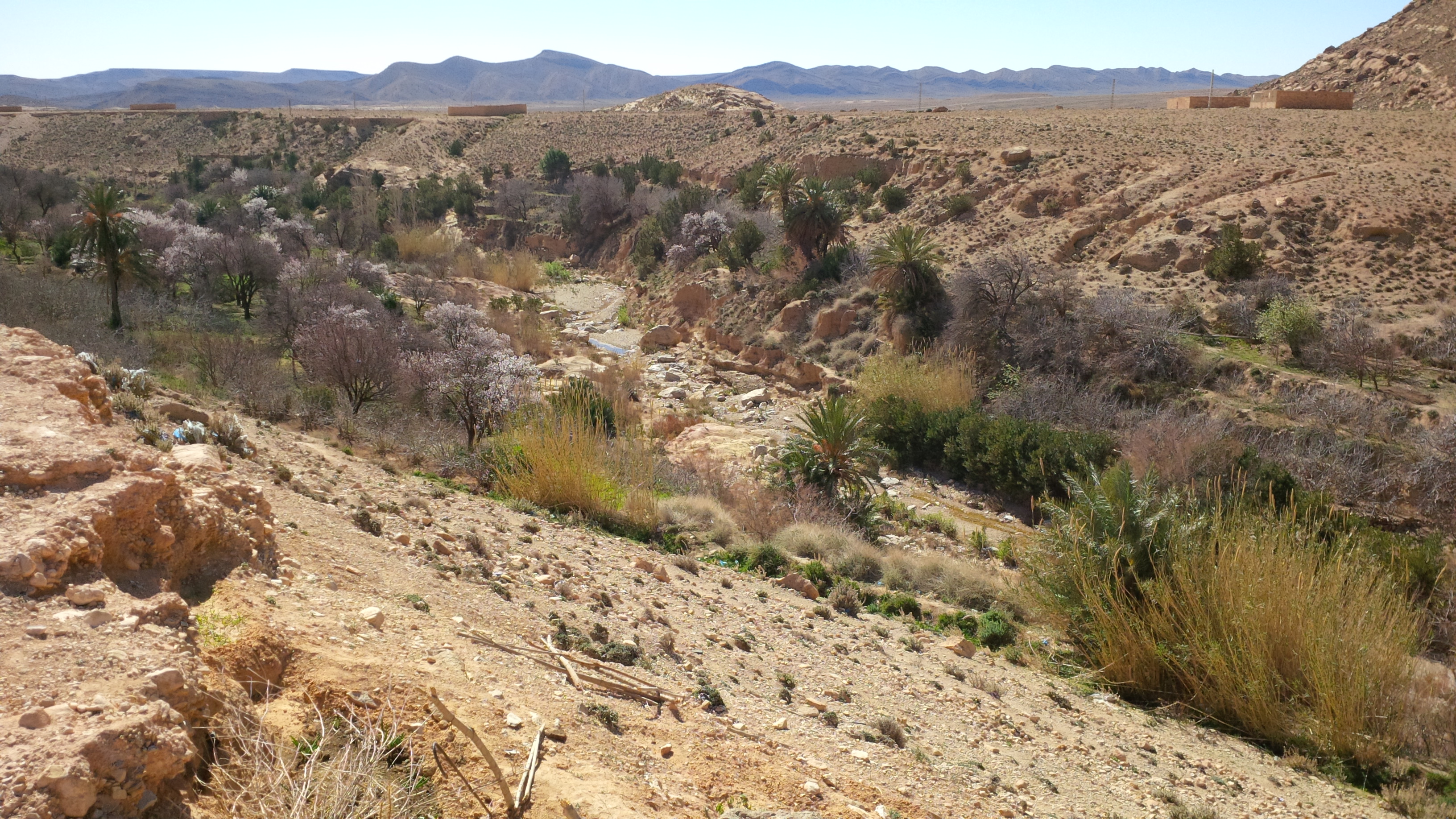
Behold: Hyrule…?
In The Legend of Zelda, I can only picture the world as a desert shrubland that is somewhat mountainous. The yellow-brown earth, the mix of green and red foliage, the relative height of everything being (evidently) roughly Link-sized – it all just makes me picture this exact biome. On top of this, knowing that the land is implied to be desolate and that its citizens fearfully live in mountain caves further solidifies this Conan-esque, 1980s dark fantasy setting in my mind.
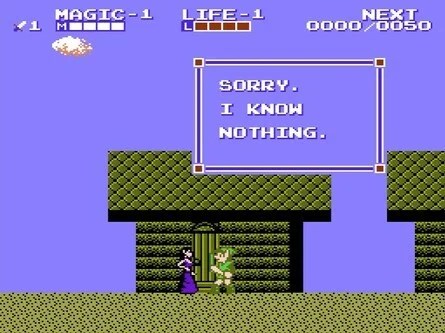
Me, generally
Enter Zelda II. It has a far more varied map, of course, and parts of it contradict some of what I’m saying here, but I’ll just further grab a few examples of what informs my interpretation of NES Hyrule. The lack of a background in most town sections and some battle areas just makes me think of Hyrule as quite flat and featureless in some places.
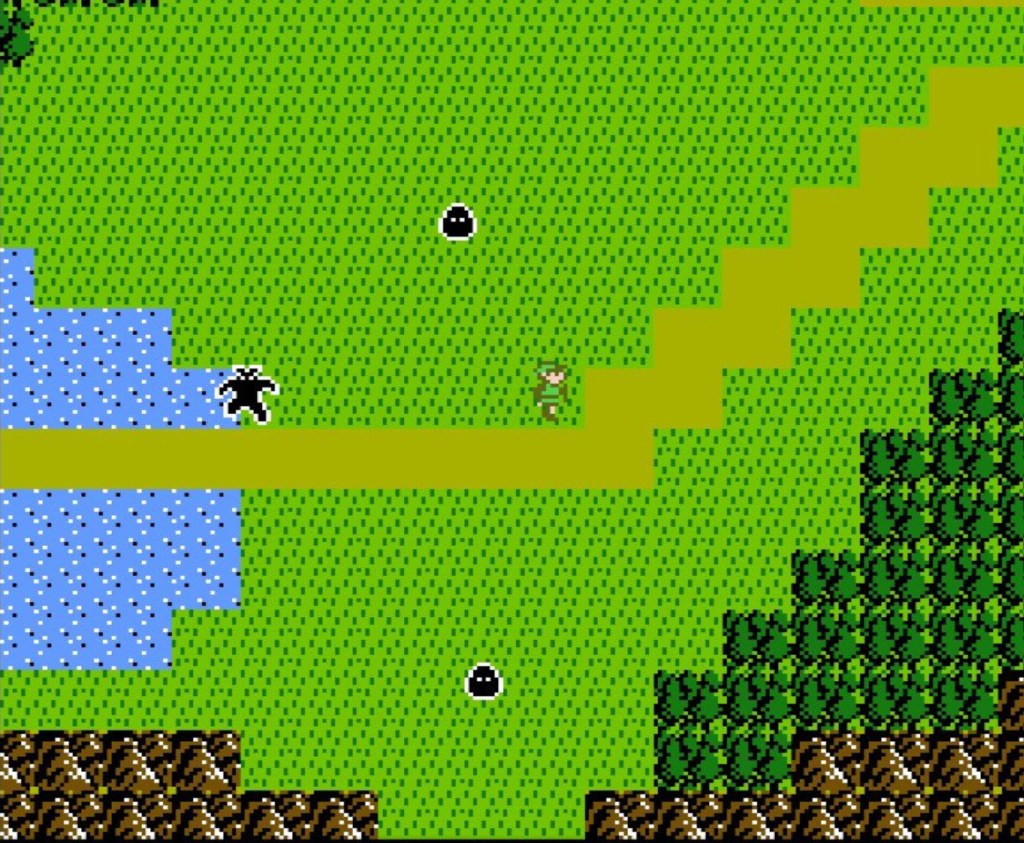
It is a bit greener, though
Considering Zelda II takes place in the same Hyrule canonically, with The Legend of Zelda being a portion of Zelda II‘s map, I think I just pull from the same place in my imagination for the world Link travels through. I never thought, explicitly, about the way I pictured these worlds when I was first playing through them, but over time came to realize how I see them in my mind’s eye when I think about the games.
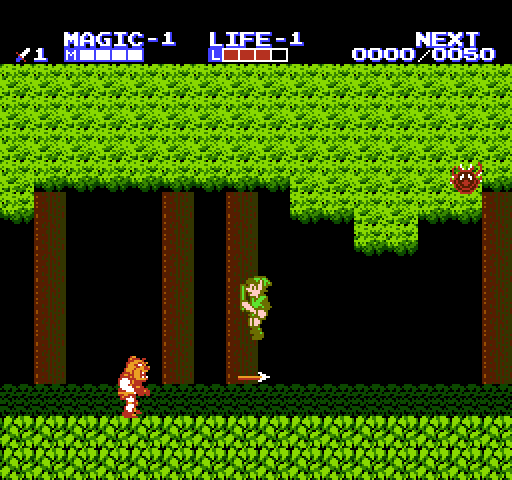
I mean yeah, okay, there’s proper forests too
I also get this partially with the Oracle Zelda games, where my imagined interpretation of Hyrule is just… a bit different than it is for higher-fidelity overhead views like A Link to the Past, and of course compared to any 3D title. While the Oracle games use a substantial amount of Link’s Awakening assets, the fact that the latter game objectively takes place on an island, there isn’t much ambiguity to its world.
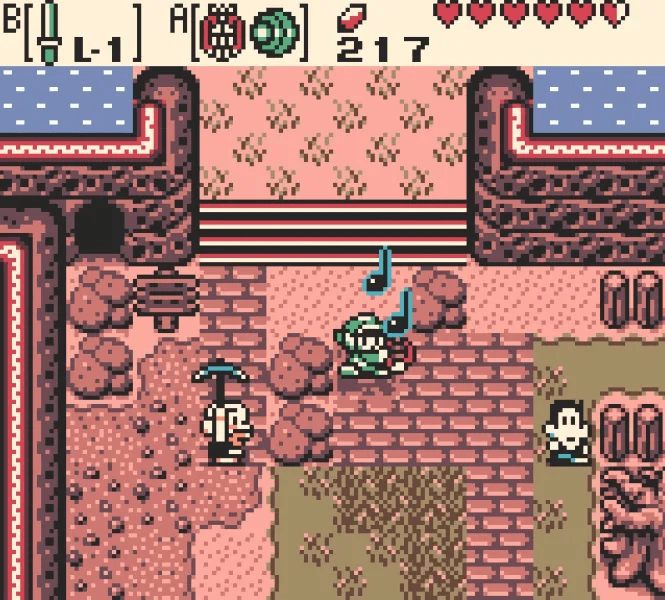
The rustic colors in the ~Past~ help too
There are still more distinct biomes in the Oracle games than in the NES Zelda titles, but something about these handheld games still makes my imagination work harder and come up with places less informed by the game’s literal art and more by its vibes.
This is all just a long-winded way of saying: old 2D games take me to a cool headspace. Maybe it’s a common interpretation that the NES Zelda games take place in a shrubby desert wasteland, but I struggle to even find people talking about what they think the game world actually LOOKS like, so here I am. I love a beautiful, high-fidelity, fully-realized 3D world too, but something is objectively lost as better graphics leave less to the imagination – not unlike invisible walls, really.





Leave a Reply